
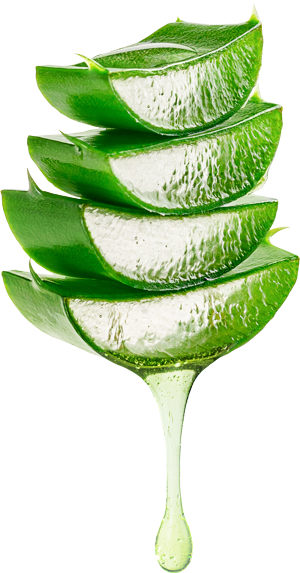
Why Aloe barbadensis Miller Is the Ultimate Source of Acemannan Power
Ingredient: Aloe barbadensis Miller
Aloe barbadensis Miller (Aloe vera) is widely regarded as the reference species within the Aloe genus for therapeutic and commercial use, owing to its well-characterized inner leaf gel and broad evidence base in glycobiology and biomaterials research (Guo, 2016; Liu, 2019; Bai, 2023). Although the Aloe group now comprises several hundred taxa, Aloe vera remains the standard source material for pharmaceutical, cosmetic, and nutraceutical applications due to its consistent morphology, cultivation history, and safety profile (Newton, 2001; Cousins & Witkowski, 2012).
Within this species, the inner parenchymal gel is enriched in Acemannan, a β-(1→4)-linked, highly acetylated mannan/glucomannan that functions as the dominant storage and bioactive polysaccharide in the gel fraction rather than the cell wall, underpinning many of the plant’s reported immunomodulatory, wound-healing, and barrier-support effects (McAnalley, 1993; Femenia, 1999; Sierra-García, 2014; Liu, 2019). The mannose-rich Acemannan backbone, interspersed with glucose and decorated with acetyl groups, is produced by specialized parenchymal cells and is now recognized as the principal polysaccharide “engine” of Aloe gel bioactivity, providing a structural rationale for positioning Aloe barbadensis Miller as the lead species for Acemannan-centric formulations (Femenia, 1999; Bai, 2023).
Both the absolute content and functional integrity of Acemannan are strongly influenced by agronomic and post-harvest variables, including plant age, leaf position on the rosette, environmental conditions, and processing factors such as heating and drying, which can alter acetylation patterns and molecular weight distribution (Ni, 2004; Minjares-Fuentes, 2017). Studies tracking Aloe vera gel composition across growth stages and processing regimes show that mature, inner leaves yield gel with higher Acemannan levels and better-preserved polysaccharide structure, supporting the strategic positioning of Aloe barbadensis Miller as a premier source of nutrient-dense, Acemannan-rich parenchymal gel when cultivation and handling are optimized (Minjares-Fuentes, 2017; Guo, 2016).
Source of validity: Scientific
Keywords: Aloe vera, Aloe barbadensis, Composition, Gel, Leaf, Skin, Acemannan, acetylated glucomannan
Morphological and Structural of aloe vera gel.
Aloe barbadensis Miller, the most therapeutically valued Aloe vera species, produces a mucilaginous inner gel that is particularly rich in acemannan, along with vitamins (A, C, E, several B-complex vitamins), minerals, and essential amino acids, especially when leaves from mature 3–4(–5)-year-old plants are harvested and processed rapidly to minimize enzymatic degradation and microbial spoilage (Lawless & Allen, 2000; Ahlawat & Khatkar, 2011).
Aloe vera is a perennial, succulent xerophyte forming a basal rosette of thick, turgid, lanceolate leaves that are green to grey-green, often with serrated margins, and adapted to arid environments through water-storage tissues and reduced transpiration (Sharma et al., 2025; Ferrera, 2022; Castro, 2017).
These leaves typically reach 35–40 cm in length, 6–7 cm in maximum width, and about 2–2.5 cm in thickness in well-grown plants, reflecting their specialized succulence (Chong et al., 2019). The outer surface is covered by a thick, waxy cuticle overlying the epidermis, which markedly reduces water loss and contributes to the plant’s capacity to withstand extreme heat and drought (Sharma et al., 2025; Anonymous, 2024).
Structurally, each leaf can be described as having three main functional regions:
An outer rind or cortex, comprising the epidermis with its protective cuticle and underlying chlorenchymatous tissues, which provides mechanical support and serves as the primary photosynthetic surface (Sharma et al., 2025; Journal of Medicinal Plants Studies, 2018).
A sub-rind region containing the pericyclic tubules that exude the bitter yellow latex or sap (rich in anthraquinone glycosides), functioning as a chemical defense against herbivory (Journal of Medicinal Plants Studies, 2018).

An inner mucilaginous parenchyma (pulp or gel filet), composed largely of spongy mesophyll cells whose cell walls, degenerated organelles, and viscous intracellular matrix together form the commercial “gel,” characterized by high moisture content and polysaccharides such as acemannan, along with vitamins, minerals, and organic acids (Hamman, 2008; Sharma et al., 2025).
From a techno-functional perspective, the gel-rich inner parenchyma of appropriately matured and promptly processed leaves represents the primary reservoir of bioactive polysaccharides and micronutrients, whereas the rind and latex layers are more relevant to structural integrity and plant defense than to gel-based therapeutic applications (Hamman, 2008; Ahlawat & Khatkar, 2011; Journal of Medicinal Plants Studies, 2018).
Aloe vera leaves are thick, succulent, dagger-shaped organs composed of three principal tissues: the outer rind (cortex), the intermediate vascular and latex-containing region, and the inner parenchymatous gel pulp.
The rind (cortex):
The rind is a multilayered, photosynthetically active green tissue that forms the protective outer cortex of the leaf and typically consists of 15–20 cell layers. It houses chlorenchyma cells responsible for photosynthesis and contributes to the synthesis of structural carbohydrates and proteins that maintain mechanical strength and defense. Functionally, this cortex acts as a barrier against environmental stress and herbivory while supporting the internal water-storage tissues.
The latex (exudate/sap):
Immediately beneath the rind and associated with the pericyclic tubules of the vascular bundles lies a thin, yellow to reddish latex layer, often termed the exudate or sap. This latex is rich in anthraquinone and anthrone derivatives, particularly aloin (barbaloin) and related compounds such as aloe-emodin, which serve as potent chemical defense agents against herbivores and microbial attack. The latex is therefore regarded primarily as a defensive, laxative, and photoprotective component rather than the main medicinal gel fraction used in foods and cosmetics.
The parenchyma (gel pulp):
The innermost and voluminous region of the leaf is the spongy parenchyma, also referred to as the fillet, pulp, or gel, composed of large, thin-walled mucilaginous cells specialized for water storage. This transparent to slightly opalescent gel is predominantly water (approximately 98–99%) but contains a complex mixture of polysaccharides, notably the acetylated glucomannan acemannan, together with other sugars, proteins, lipids, amino acids, vitamins, mineral ions, and multiple enzymes that collectively underpin the recognized pharmacological properties of Aloe vera gel. From a functional standpoint, this parenchymatous gel serves as the principal reservoir of acemannan and associated bioactive components that contribute to reported immunomodulatory, wound-healing, anti-inflammatory, and antioxidant effects of Aloe vera preparations.
Aloe vera (Aloe barbadensis Miller) leaves are morphologically organized into an outer cortex or rind, an intermediate latex-containing vascular zone, and an inner parenchymatous gel, each with distinct structural and functional roles (Añibarro-Ortega et al., 2019). The outer green rind is a multilayered, photosynthetically active cortex of approximately 15–20 cell layers that provides mechanical protection while synthesizing carbohydrates and proteins essential for leaf structure and defense (Kumar et al., 2018). Just beneath this cortex, the vascular bundles contain pericyclic tubules that store a thin, yellow latex rich in anthraquinone derivatives such as aloin and aloe-emodin, which act as a chemical defense system against herbivores and contribute to the characteristic laxative properties of whole-leaf exudate (Saleem, 2015; Guo & Mei, 2016). The innermost region consists of the mucilaginous parenchyma or gel pulp, a spongy water-storage tissue composed of large, thin-walled cells that accumulate a highly hydrated matrix containing the acetylated glucomannan acemannan together with proteins, lipids, amino acids, vitamins, minerals, and various enzymes (Hamman, 2008; Guo & Mei, 2016). This parenchymatous gel fraction functions as the primary reservoir of acemannan and other bioactive constituents and is therefore considered the main medicinally relevant part of the leaf, underpinning many of the reported immunomodulatory, wound-healing, and antioxidant activities of Aloe vera gel-based products (Hamman, 2008; Quezada et al., 2017).

Phytochemical Composition
The therapeutic efficacy of Aloe barbadensis Miller (Aloe vera) iis now understood as the emergent result of a synergistic phytochemical matrix that combines nutrients, specialized metabolites, and macromolecules rather than a single “active” principle.
The therapeutic efficacy of Aloe barbadensis Miller is attributed to a synergistic matrix of over 75 nutrients and approximately 200 bioactive constituents distributed across the inner gel, rind, and latex, rather than to a single isolated compound (Boudreau & Beland, 2006; Maan et al., 2018; Hogrefe Monograph, 2023). The inner parenchymatous gel is composed of 99–99.5% water, with the remaining 0.5–1.0% comprising structurally diverse polysaccharides (notably acemannan), mono- and oligosaccharides, amino acids, lipids, sterols, vitamins, minerals, phenolic compounds, and organic acids (Hogrefe Monograph, 2023; Bai et al., 2023). Key carbohydrate components include an acetylated β-(1→4)-linked mannan backbone with intermittent glucose residues (acemannan), associated mannose-6-phosphate, and glucomannan, which together contribute to immunomodulatory, wound-healing, and barrier-supportive activities (Ni et al., 2022; Bai et al., 2023; Abid et al., 2025). The leaf latex and rind are enriched in anthraquinone and anthrone derivatives such as aloin A and B (barbaloin, isobarbaloin), aloe-emodin, aloesin, and related chromones, alongside hydroxycinnamic acids, flavonoids, and tannins, which exert laxative, antimicrobial, anti-inflammatory, and antioxidant effects in a dose- and compartment-dependent manner (Nakiguli et al., 2022; Nalimu et al., 2021; Abid et al., 2025). Aloe vera also provides a broad spectrum of hydrosoluble and liposoluble vitamins (including vitamins C, E, B-group vitamins, folate, and provitamin A), essential and non-essential amino acids, and minerals, which support redox homeostasis, epithelial integrity, and enzymatic cofactor functions (Bioactive Compounds Review, 2023; Hogrefe Monograph, 2023). Complementing these constituents, the gel contains multiple endogenous enzymes—such as bradykinase, cellulase, carboxypeptidases, lipase, catalase, peroxidase, alkaline phosphatase, superoxide dismutase, and amylase—that can modulate inflammatory mediators, contribute to proteolysis of damaged tissue, and enhance local antioxidant defenses (Hogrefe Monograph, 2023; Maan et al., 2018). Contemporary phytochemical and pharmacological evidence thus supports a model in which polysaccharides, phenolics, anthraquinones, glycoproteins, vitamins, minerals, and enzymes act in concert—often via complementary antioxidant, anti-inflammatory, immunomodulatory, antimicrobial, and tissue-regenerative pathways—to produce the clinically observed “green healer” profile of Aloe barbadensis Miller (Abid et al., 2025; Mensah et al., 2025).
What is the best mature aloe leaves to have more nutrients in them?
The most nutrient-dense commercial material is obtained from the thick, fully expanded outer leaves of mature Aloe barbadensis Miller plants that have reached roughly three years of age, with some growers extending harvest cycles up to about five years depending on agronomic conditions and target compounds (Liu, 2019; Semerel, 2023; Ahlawat, 2012; Añibarro-Ortega, 2019). At this stage, the plants have completed vegetative establishment, leaf biomass and gel yield are maximized, and the inner fillet shows peak or near-peak concentrations of structural polysaccharides such as acemannan, alongside a well-developed profile of vitamins, minerals, amino acids, and secondary metabolites that support both nutritional and therapeutic applications (Liu, 2019; Sierra-García, 2014; Añibarro-Ortega, 2019).
In practical terms, scientific and commercial practice converges on selecting the thickest, outermost leaves from Aloe barbadensis Miller plants that are at least three years old, harvested on a repeated cycle once the rosette is fully developed, to ensure high gel yield and robust levels of bioactive polysaccharides, particularly acemannan, which is regarded as the plant’s primary therapeutic polysaccharide (Liu, 2019; Semerel, 2023; Sierra-García, 2014). Very young inner leaves tend to have lower gel mass and a less developed mineral and polysaccharide profile, whereas excessively old or repeatedly cut leaves can show declining polysaccharide quality or shifts toward more fibrous tissue, so controlling both plant age and leaf position is critical for consistently obtaining nutrient-rich, acemannan-dense raw material (Liu, 2019; Mensah, 2025; Semerel, 2023).
Key Indicators of Nutrient Density of aloe vera.
Key indicators of nutrient-dense, polysaccharide-rich Aloe vera (Aloe barbadensis Miller) leaves can be summarized across plant age, leaf position, morphology, and coloration.
Plants around 3–5 years generally exhibit peak polysaccharide accumulation in the gel, with acemannan levels higher in three-year-old plants than in two- or four-year-old plants, especially under higher light intensity (Liu et al., 2019). In parallel, mature Aloe vera leaves show enhanced antioxidant and free radical–scavenging capacity relative to younger tissues, reflecting higher concentrations of bioactive polysaccharides and associated phytochemicals (Hamman, 2008). Although specific percentages vary by assay and cultivar, studies consistently link mid-maturity plants with more robust in vitro antioxidant activity compared with very young or senescent plants (Liu et al., 2019; Hamman, 2008).
Leaf position within the rosette
Aloe vera forms a basal rosette, and the outermost basal leaves are the oldest and most fully developed structures. These peripheral leaves have had the longest time to accumulate gel volume and long-chain glucomannan polysaccharides in the parenchyma, which are largely responsible for the plant’s nutraceutical properties (Hamman, 2008). Consequently, selecting well-expanded, outer basal leaves is a practical strategy to maximize acemannan yield and overall gel nutrient density for extraction (Liu et al., 2019).
Physical dimensions as a proxy for gel and polysaccharides
Mature Aloe vera leaves are typically broad, fleshy, and elongated, with a parenchymatous inner gel that can contain polysaccharides as the major dry-matter component (often exceeding 50% of dry mass as mixed mannose-rich polymers) (Saleem et al., 2021; Hamman, 2008). In practice, long leaves in the approximate range of 15–30 cm, with a visibly thick base and substantial girth, tend to provide more gel and higher absolute polysaccharide yield per leaf than short, narrow, or thin leaves from immature plants (Saleem et al., 2021). Thicker, heavier leaves thus function as a convenient field indicator of better hydration status and a higher load of high–molecular-weight acemannan-type polysaccharides in the cortex and gel (Liu et al., 2019; Hamman, 2008).
Color, markings, and varietal authenticity
In Aloe barbadensis Miller, young leaves often display conspicuous white spots or flecks on a lighter green background, which gradually disappear as the plant matures and the leaves become uniform green to grey-green (Saleem et al., 2021). Fully mature, nutrient-dense leaves from this species are typically spotless, firm, and turgid, consistent with maximal development of the parenchyma tissue that stores acemannan-rich gel (Saleem et al., 2021; Hamman, 2008). Using leaf color (plain green/grey-green), together with the loss of juvenile spotting, rosette position, and robust leaf morphology, helps confirm both botanical identity and an advanced physiological stage that favors higher polysaccharide and acemannan content (Liu et al., 2019; Saleem et al., 2021).
Factors Influencing Nutritional Value of Aloe vera
The nutritional value of Aloe barbadensis Miller gel is influenced by harvest timing, environmental stress during cultivation, and post-harvest handling, which together determine polysaccharide content, phenolics, vitamins, and enzymatic activity (Ahl, 2019; Comas-Serra, 2024). Diurnal and seasonal factors affect water content and soluble solids in the leaves, with several agronomic studies reporting slightly higher gel yield and soluble solids in warmer months and under higher radiation, although precise “morning-versus-afternoon” nutrient peaks remain less clearly quantified (Ahl, 2019).
Mild abiotic stress is emerging as a controllable lever for functional quality: under combined low soil moisture and moderate salinity (for example, NaCl around 80 mM), Aloe vera plants markedly increase acemannan content and its degree of acetylation—by roughly 90–150%—alongside changes in pectic polysaccharides, improving water-retention and stress-tolerance functions in the gel (Comas-Serra, 2024). Earlier work on Aloe grown under pedo-ecological stress also showed that moderate salinity and irrigation stress can maintain yield while promoting osmotic adjustment via increased compatible solutes and altered mineral profiles, supporting the concept that carefully managed stress regimes can enrich stress-responsive constituents such as acemannan (Troyo, 2008).
Seasonal surveys confirm that total polysaccharide and phenolic contents vary with plant age, rainfall, and season, indicating that both harvest date and local climate must be controlled to achieve reproducible bioactive profiles for nutraceutical or cosmetic use (Ahl, 2019). After harvest, the inner gel is highly susceptible to enzymatic and oxidative degradation; studies in fruits and vegetables coated with Aloe gel highlight how Aloe-based barriers slow ascorbic acid loss and antioxidant decline by limiting oxygen diffusion, which indirectly underscores how unprotected Aloe gel itself is prone to rapid oxidative quality loss if left exposed (Rehman, 2020; Hassani, 2025).
In practical terms, processors generally recommend rapid filleting, cold processing, and minimal oxygen exposure within a short window after cutting—typically within the first day—to conserve native enzymes, vitamins, and polysaccharide structure, even though exact “2–3 hour” thresholds for biochemical decay in fresh gel remain to be defined in controlled kinetic studies (Ikram, 2020).
Recommended Harvesting Checklist of Aloe vera plant
Recommended harvesting checklist for Aloe vera leaves (Aloe barbadensis Miller):
Species verification
Use only Aloe barbadensis Miller, the best-characterized Aloe species for human use and the one most commonly described as Aloe vera in pharmacological and nutraceutical literature (Kaur et al., 2024; Saleem, 2013).
Harvest from well‑established plants that are at least three years old, as older plants generally accumulate higher levels of polysaccharides, phenolic compounds, and other bioactives in the leaf tissues compared with very young plants (Kaur et al., 2024; Elferjane et al., 2023).
Leaf position and selection
Prefer the thick, lower, outermost leaves, which tend to be more fully developed and contain a higher proportion of gel and rind, where many bioactive components (polysaccharides, phenolics, anthraquinones, vitamins, and minerals) are concentrated (Kaur et al., 2024; Saleem, 2013; Babu et al., 2020).
Targeting bioactive-rich tissues
Recognize that the inner clear gel contains most polysaccharides and many water-soluble nutrients, while the rind and peel are particularly rich in phenolic compounds and display strong antioxidant activity, making both fractions valuable depending on the intended application (Kaur et al., 2024; Elferjane et al., 2023).
Optimizing nutritional yield
For maximum nutritional and functional value, prioritize mature, lower outer leaves from plants older than three years, as these combine high gel volume with a high density of bioactive compounds in both gel and rind, thereby improving the overall yield of nutritionally relevant constituents (Kaur et al., 2024; Saleem, 2013; Babu et al., 2020).
Key Factors for Nutrient-Rich Leaves
Key factors for nutrient-rich Aloe vera leaves include plant age, leaf position, leaf condition, harvesting technique, processing time, and species selection, all of which influence gel yield, polysaccharide profile, and safety for consumption.
For optimal bioactive content, Aloe vera plants should generally be allowed to reach at least three years of age before regular harvesting, as older plants accumulate higher levels of polysaccharides, including acetylated glucomannans (acemannan), as well as associated antioxidants in the inner gel (Hamman, 2008). Mature plants also tend to develop thicker leaves with a higher proportion of gel to rind and more stable polysaccharide molecular-weight distribution, which is relevant for both therapeutic efficacy and processing performance (Hamman, 2008).
Within a mature plant, the thickest, most robust leaves located on the outer and lower whorls are typically the oldest tissues and provide the highest gel volume and most developed mucilaginous matrix, making them preferable for industrial gel extraction and home use (Femenia et al., 1999; Hamman, 2008). These outer leaves also tend to show a more pronounced differentiation between the clear inner parenchymatous gel (rich in acemannan and other polysaccharides) and the green cortical tissues that contain latex and phenolic compounds, facilitating cleaner separation of gel from rind (Hamman, 2008).
Harvested leaves should be healthy, firm, and uniformly green, without mechanical damage, microbial spots, or extensive chlorosis, because biotic or abiotic stress, physical injury, and disease can alter the carbohydrate profile, increase oxidative enzymes, and reduce overall gel quality (Hamman, 2008; Hamman, 2018). Selecting intact, vibrant leaves helps minimize contamination by latex-rich exudates and external microbes, which is critical for applications in food, nutraceuticals, and cosmetics (Hamman, 2008; Femenia et al., 1999).
The recommended harvesting technique is to cut the selected leaf as close to the main stem as possible using a clean, sharp knife, avoiding crushing of tissues that would increase mixing of inner gel with outer latex (Femenia et al., 1999). After cutting, leaves are often oriented vertically or slightly inclined to allow the yellow latex (rich in anthraquinone glycosides such as aloin) to drain away prior to gel filleting, thus reducing bitterness and potential gastrointestinal irritation if the gel is intended for internal use (IARC, 2016; Hamman, 2008).
To preserve the nutritional richness and functional integrity of Aloe gel, the interval between harvest and processing should be minimized, ideally limiting it to a few hours, because endogenous enzymes and oxidative processes can degrade polysaccharides, reduce acetylation levels, and alter rheological properties once the leaf is cut (Femenia et al., 1999; Hamman, 2008). Rapid cooling, sanitary handling, and gentle mechanical extraction help maintain acemannan molecular-weight distribution and prevent excessive depolymerization, which is important for retaining bioactivity in finished gel, juice, or powder products (Hamman, 2008; Hamman, 2018).
Species identification is a critical safety and quality factor: Aloe barbadensis Miller (syn. Aloe vera) is the species most widely recognized as suitable for internal consumption and external therapeutic use, whereas many other Aloe species are primarily ornamental or may contain higher levels of potentially irritating or toxic constituents (Hamman, 2008; Blooming Ranch, 2025). When Aloe is cultivated for food, beverage, nutraceutical, or cosmetic applications, ensuring that the planting material is authenticated Aloe barbadensis Miller and managing agronomic conditions (e.g., soil moisture, light) to support robust leaf growth and gel quality improves consistency in polysaccharide content and compliance with international gel standards (Flores-Hernández et al., 2022; Hamman, 2008).

AMB WELLNESS has developed a proprietary with a unique process isolating Acemannan from Aloe Vera Inner Gel with a high content of Acemannan ranging from 10% up to 25% measured by Nuclear Magnetic Resonance (NMR). Designed for high-end cosmetics, healthcare, and nutraceutical applications, Acetypol™ redefines efficacy, supporting skin hydration, barrier function, immune modulation, and gut health,positioning AMB WELLNESS at the forefront of innovation where scientific precision, purity, and performance meet unmatched effectiveness.Acetypol™ offers a more reliable and scientifically controlled alternative to conventional Aloe products, enabling formulators to achieve reproducible results by treating acetylation, purity, and molecular weight as key quality parameters rather than variable outcomes of processing.Acetypol™ offers a more reliable and scientifically controlled alternative to conventional Aloe products, enabling formulators to achieve reproducible results by treating acetylation, purity, and molecular weight as key quality parameters rather than variable outcomes of processing.Acetypol™ is a highly standardized Aloe vera–derived ingredient enriched to 15–20% acemannan with a high degree of acetylation (DA), controlled molecular weight, and high purity.

Share it on:
Latest News

Hair Care with Aloe
Aloe extracts, such as aloe vera juice and gel, deliver vitamins C & E, antioxidants, and hydrate the skin, enhancing it elasticity with regular application. As a natural moisturizer it brings oxygen to the skin, strengthening it from within. Furthermore, growing consciousness among consumers on personal grooming has led to the development of natural and organic skincare and cosmetic industry, consequently paving the way for the market.

Aloe Vera Moisturize & Reverse Aging
Aloe extracts, such as aloe vera juice and gel, deliver vitamins C & E, antioxidants, and hydrate the skin, enhancing it elasticity with regular application. As a natural moisturizer it brings oxygen to the skin, strengthening it from within. Furthermore, growing consciousness among consumers on personal grooming has led to the development of natural and organic skincare and cosmetic industry, consequently paving the way for the market.

Beauty with Aloe
Aloe extracts, such as aloe vera juice and gel, deliver vitamins C & E, antioxidants, and hydrate the skin, enhancing it elasticity with regular application. As a natural moisturizer it brings oxygen to the skin, strengthening it from within. Furthermore, growing consciousness among consumers on personal grooming has led to the development of natural and organic skincare and cosmetic industry, consequently paving the way for the market.