

Beyond Prebiotics: How Acemannan Links Gut Microbiota to AKT/mTOR and Tissue Repair

Synopsis: Acemannan is fermented by gut microbiota to short‑chain fatty acids and shows prebiotic‑like effects in vitro, supportin et al, 2015g the balance of beneficial bacteria and healthy digestive function. In parallel, cell and animal studies demonstrate that acemannan activates the AKT/mTOR pathway, increases Cyclin D1 and VEGF, and promotes tissue repair and angiogenesis, suggesting plausible mechanisms by which it may support mucosal integrity and gut homeostasis, although these mechanisms have not yet been fully confirmed in human gastrointestinal tissue. ( Songsiripradubboon S1 et al, 2015)
Acemannan, a β‑(1,4)‑acetylated polymannans from Aloe barbadensis inner gel, behaves as a multimodal biological buffer within the gastrointestinal tract, where it resists upper‑gut digestion, reaches the colon, and serves as a selectively fermentable substrate for beneficial bacteria such as Lactobacillus and Bifidobacterium species, increasing acetate and contributing to a more microbiota‑friendly milieu (Quezada et al., 2017; Liu et al., 2021). In parallel, acemannan‑rich Aloe polysaccharides upregulate endogenous antioxidant systems and cytoprotective pathways, including Nrf2/HO‑1 signaling and related defenses against oxidative injury, thereby buffering epithelial cells against redox stress that would otherwise disturb tight junctions and barrier function (Liu et al., 2021; Chou et al., 2023). At the intracellular level, acemannan activates pro‑repair signaling cascades such as AKT/mTOR‑driven protein synthesis and cell proliferation, which have been mechanistically linked to accelerated tissue renewal and wound closure in epithelial and stromal compartments (Xing et al., 2015; Chou et al., 2023). Processed Aloe gel preparations enriched in acemannan reinforce intestinal tight junction architecture by upregulating scaffold proteins such as ZO‑1 and stabilizing occludin and claudin‑1, leading to improved transepithelial electrical resistance, reduced lactulose/mannitol ratios in vivo, and protection against chemically induced barrier disruption—a functional “mucosal bio‑shield” that limits lipopolysaccharide (LPS) translocation and supports a calmer, digestion‑friendly immune environment (Le Phan et al., 2021; Liu et al., 2021). Through this combination of modest prebiotic fermentation, antioxidant and anti‑inflammatory buffering, tight‑junction reinforcement, and AKT/mTOR‑supported epithelial renewal, acemannan helps maintain a gut environment that is compatible with beneficial microbiota and conducive to healthy digestive function, while current data still justify phrasing it as “supports microbiome balance and normal digestion” rather than a targeted microbiome‑remodeling therapy (Quezada et al., 2017; Le Phan et al., 2021; Liu et al., 2021; Chou et al., 2023).
Source of validity: Scientific
The Molecular Shield: Acemannan as a Biological Buffer Against Physiological Stressors
I. Kinetic Stabilization of the Oxidative Microenvironment of Acemannan
Acemannan does contribute to maintaining a balanced gut microbiome and supporting healthy digestion, and it also acts as a sustained antioxidant “molecular shield” that stabilizes the oxidative microenvironment and protects skin cells under stress. Demonstrates DPPH radical scavenging with ~45% clearance, comparing acemannan vs malvidin, CoQ10, water (kinetic profile included in figures). Shows that acemannan protects H2O2 -pretreated cells and restores viability, i.e., buffering an oxidative microenvironment over time. Discusses acetylation, viscosity, and thermal stability, which you can reframe as structural features enabling sustained redox modulation. Experimental and translational data show that acemannan behaves as a fermentable polysaccharide that is selectively utilized by beneficial commensals, increasing short‑chain fatty acid (SCFA) production and helping to maintain a more favorable microbial profile in the colon (Chen et al., 2021; Sánchez‑Machado et al., 2017). SCFAs such as acetate, propionate, and butyrate support epithelial energy metabolism, reinforce tight‑junction integrity, and help normalize low‑grade gut inflammation, which together translates into better digestive comfort and barrier function (Turner, 2009; Bischoff et al., 2014). In animal and human Aloe‑gel studies, acemannan‑rich preparations have been associated with reduced gastrointestinal irritation, improved stool quality, and modulation of dysbiosis‑linked parameters, suggesting that positioning acemannan as a polysaccharide that “helps maintain the natural balance of beneficial bacteria and supports healthy digestion” is scientifically defensible when phrased as a structure‑/function‑type claim (Pérez‑López et al., 2009; Sánchez‑Machado et al., 2017; Chen et al., 2021).

Physiological stress, whether driven by environmental xenobiotics, ultraviolet radiation, or the accumulation of metabolic byproducts, presents at the cellular level as a loss of redox homeostasis, with reactive oxygen species (ROS) production outpacing endogenous antioxidant defenses (Ighodaro & Akinloye, 2018). Unlike classical “sacrificial” antioxidants that are rapidly consumed, acemannan behaves as a sustained antioxidant modulator, providing long‑lasting free‑radical scavenging and redox buffering in cell and materials models (Anilakumar et al., 2010; Ramachandraiahgari et al., 2012; Chou, 2023). Methacrylated acemannan, for example, maintained a stable DPPH radical clearance of approximately 45% over 24 hours, outperforming CoQ10, malvidin, and water controls and simultaneously promoting proliferation and migration of fibroblast‑ and epithelial‑type cells (Chou, 2023).
This durable activity is closely linked to acemannan’s ability to “recruit” and up‑regulate the major endogenous enzymatic defenses—superoxide dismutase (SOD), catalase (CAT), and glutathione peroxidase (GPx)—which together catalyze superoxide dismutation, hydrogen‑peroxide breakdown, and detoxification of lipid hydroperoxides (Tao Y et al. 2021, Anilakumar et al., 2010; Christijanti et al., 2019). By lowering mitochondrial ROS, preventing membrane lipid peroxidation, and preserving glutathione pools, acemannan limits mitochondrial depolarization and interrupts the feed‑forward cycle of oxidative injury and inflammatory signaling (Ramachandraiahgari et al., 2012; Chou, 2023). In dermal fibroblasts and keratinocyte models, Aloe‑derived, acemannan‑rich preparations have been shown to enhance cell survival under chemical and UV‑related oxidative stress, supporting claims that acemannan helps protect genomic DNA from oxidative fragmentation and contributes to maintaining cellular integrity in high‑stress environments (Sánchez‑Machado et al., 2017; Chou, 2023; Sánchez et al., 2020). Acemannan can be credibly described as helping to maintain a healthy balance of gut bacteria and supporting normal digestion, but the evidence is largely preclinical and model‑based rather than from large human GI trials.
In vitro colonic fermentation studies show that acemannan from Aloe vera is fermentable by human fecal microbiota and behaves as a prebiotic‑like substrate. Compared with controls, acemannan supports bacterial growth at levels similar to commercial fructo‑oligosaccharides and significantly increases total short‑chain fatty acids, with a marked rise in acetate and relevant proportions of butyrate and propionate (Quezada et al., 2017). SCFAs are key microbial metabolites that fuel colonocytes and signal via specific receptors to strengthen barrier function and dampen low‑grade inflammation, so this profile is consistent with a gut‑supportive effect (Morrison & Preston, 2016).
Processed Aloe vera gel containing 5–400 kDa polysaccharides (a range that covers acemannan‑like chains) improves “leaky gut” parameters in aged mice, reducing lactulose/mannitol ratios and enhancing tight‑junction protein ZO‑1 at the intestinal epithelium (Le Phan et al., 2021, Sun Y, et al, 2023, Katarzyna Pacyga et al, 2025). Additional reviews on the pharmacodynamics of Aloe vera note that orally ingested acemannan can be fermented into SCFAs and is linked to epithelial repair at injured sites in the small intestine and colon, with proposed benefits on mucosal integrity and digestive comfort (Sadgrove, 2021).
Acemannan is a non‑digestible, O‑acetylated Aloe vera polymannan that behaves as a fermentable, prebiotic‑like polysaccharide in the colon, where it is selectively utilized by gut microbiota and increases short‑chain fatty acid production, particularly acetate and butyrate (Quezada et al., 2017). In simulated human colonic fermentations, acemannan supports bacterial growth at levels comparable to commercial fructo‑oligosaccharides and produces SCFA profiles associated with epithelial energy supply and barrier protection (Quezada et al., 2017; Morrison & Preston, 2016). In parallel, processed Aloe vera gel enriched in acemannan‑range polysaccharides has been shown in animal models to improve age‑related “leaky gut” by reducing lactulose/mannitol ratios and stabilizing tight‑junction proteins such as ZO‑1, indicating better intestinal barrier integrity (Le Phan et al., 2021). Taken together, these findings support describing acemannan as a gut‑supportive polysaccharide that helps maintain a favorable microbial environment and supports healthy digestion and mucosal barrier function, while acknowledging that robust, large‑scale human GI trials are still limited (Sadgrove, 2021; Quezada et al., 2017).
II. Modulation of the AKT/mTOR Signaling Axis of Acemannan

Acemannan behaves as a fermentable polysaccharide that certain commensal bacteria can use as an energy source, shifting microbial metabolism toward increased production of short‑chain fatty acids such as acetate and butyrate, which help fuel colonocytes and support barrier integrity. These shifts are modest compared with classic prebiotics but still contribute to maintaininga more favorable ratio of beneficial to potentially pathogenic species and to reducing luminal inflammation in experimental models.
By strengthening tight junctions and epithelial repair pathways, acemannan helps preserve mucosal barrier function, which in turn limits bacterial translocation and “leaky gut”–associated immune activation. In animal studies of intestinal injury, acemannan‑rich Aloe polysaccharides reduce histologic damage scores, bleeding, and permeability, effects that translate into more stable digestion and less inflammatory stress on the gut lining. Together, these mechanisms support a claim that acemannan contributes to maintaining the natural balance of beneficial bacteria in the gut microbiome and promotes healthy digestion, provided the wording is framed as supportive rather than disease‑treating.
Acemannan’s role as a pro‑regenerative signal is closely linked to activation of the PI3K/AKT/mTOR pathway, a central regulator of protein synthesis, cell growth, and proliferation. In primary skin fibroblasts and mouse wound models, acemannan increases AKT phosphorylation and downstream mTOR activity, which enhances eIF4F‑dependent translation of cyclin D1 and drives fibroblasts into an active proliferative state, accelerating wound closure and granulation‑tissue formation (Xing et al., 2015).
Review work on Aloe‑derived biomaterials confirms that acemannan up‑regulates AKT/mTOR signaling in fibroblasts and other stromal cells as a key mechanism for promoting tissue repair and extracellular‑matrix production (Liu et al., 2019; Bai et al., 2023). In dental and bone models, acemannan stimulates proliferation and differentiation of dental pulp stem cells and bone marrow stromal cells, increasing VEGF, BMP‑2, type I collagen, and mineral deposition through AKT‑linked anabolic signaling (Liu et al., 2019; Mehrabani et al., 2024).

A primary mechanism by which acemannan helps buffer the body against physiological trauma is the activation of the PI3K/AKT/mTOR (protein kinase B/mammalian target of rapamycin) signaling axis, a master regulator of protein translation, cell growth, and controlled proliferation (Xing W, Guo W, Chen N, et al. 2015, Liu, 2019; Bai, 2023). Under conditions of tissue injury or physiological strain, acemannan functions as a mitogenic and pro‑survival cue, binding to cell‑surface receptors and rapidly increasing AKT phosphorylation, which in turn activates mTOR complexes and enhances eIF4F‑dependent translation of key cell‑cycle regulators such as cyclin D1 in fibroblasts (Xing, 2015; Liu, 2019). This AKT/mTOR‑driven increase in protein synthesis and cell cycling expands the pool of metabolically active stromal cells, supports synthesis of extracellular‑matrix proteins, and contributes to faster, better‑organized repair of damaged skin, mucosa, and underlying connective tissue (Xing, 2015; Liu, 2019; Bai, 2023).Acemannan has evidence for modulating AKT/mTOR, Cyclin D1 and VEGF in the context of wound‑healing and tissue repair, but direct data linking this axis to gut microbiome balance and digestion are still indirect and emerging.
Evidence for AKT/mTOR–Cyclin D1 activation
Acemannan extracted from Aloe vera gel has been shown to accelerate skin wound closure and fibroblast proliferation by activating the AKT/mTOR pathway, which enhances eIF4F activity and increases translation of Cyclin D1, thereby promoting G1–S cell‑cycle progression in vitro and in vivo (Xing et al., 2015; summarized by Bai et al., 2023; Acemannan.com research note). This proliferative response is sensitive to pharmacological inhibition, as rapamycin or AKT inhibitor VIII abolish acemannan‑induced Cyclin D1 translation and cell proliferation, confirming that AKT/mTOR signaling is required for its mitogenic effect (Xing et al., 2015). In gingival fibroblasts, acemannan also increases cell proliferation and upregulates keratinocyte growth factor‑1 (KGF‑1), VEGF and type I collagen, further supporting its role as a pro‑regenerative polysaccharide in soft tissues (Jettanacheawchankit et al., 2009).
In oral wound models, topical acemannan enhances VEGF expression and improves histological healing scores, consistent with increased angiogenesis in the wound bed (Jettanacheawchankitet al., 2009). Broader Aloe‑vera–based preparations have been reported to increase VEGF and endothelial progenitor cell–related angiogenic responses in diabetic ulcer models, suggesting that Aloe‑derived polysaccharides can promote neovascularization in ischemic or stressed tissues (Sargowo et al., 2011). These findings support the concept that acemannan‑driven AKT/mTOR signaling and downstream VEGF expression cooperate to improve microvascular density and nutrient delivery in regenerating tissues, at least in skin and oral mucosa (Xing et al., 2015; Jettanacheawchankit et al., 2009).
In vitro fermentation experiments with human fecal microbiota show that Aloe vera acemannan resists upper‑gut digestion and is fermented in the colon to short‑chain fatty acids—predominantly acetate and butyrate—supporting its classification as a prebiotic polysaccharide that fuels gut bacteria and contributes indirectly to mucosal and systemic benefits. Acemannanis a fermentable Aloe vera polysaccharide that reaches the colon, where gut bacteria break it down into health‑promoting short‑chain fatty acids linked to gut barrier integrity, satiety signaling and whole‑body metabolic balance. From a gastrointestinal perspective, acemannan behaves as a fermentable polysaccharide that reaches the colon, where resident microbes degrade it to short‑chain fatty acids, which in turn support mucosal health, satiety and other systemic effects (Sadgrove, 2021, Silva YP, Bernardi A, Frozza RL, 2021, Quezada MP, Salinas C, Gotteland M, et al 2017). Experimental and early translational reports indicate that acemannan can modulate gut microbiota composition, enhance mucosal healing and exert anti‑inflammatory actions in the intestinal tract, contributing to improved barrier function and digestive comfort, although the clinical evidence is still limited and heterogeneous (Sadgrove, 2021; secondary reviews). In poultry models, Aloe gel, polysaccharides and acemannan have been reported to suppress harmful gut flora while favoring the proliferation of beneficial bacteria populations during early and mid growth phases, with parallel improvements in immune performance (Lin et al., year not specified in abstract).
The downstream activation of the AKT/mTOR signaling axis by acemannan promotes the translational upregulation of Cyclin D1, a pivotal cell‑cycle regulator that drives the transition from the G1 to the S phase and thereby accelerates tissue cell proliferation and renewal (Xing et al., 2015; Bai et al., 2023). This proliferative effect is functionally mTOR‑dependent, as pharmacological blockade of AKT or mTOR abrogates acemannan‑induced Cyclin D1 translation and fibroblast growth in vitro, and diminishes its wound‑healing efficacy in vivo (Xing et al., 2015). In parallel, acemannan stimulates the expression of pro‑regenerative mediators such as VEGF, keratinocyte growth factor‑1 and type I collagen in gingival fibroblasts and oral wound models, supporting enhanced angiogenesis, extracellular matrix deposition and structural repair in damaged tissues (Jettanacheawchankit et al., 2009). Through these coordinated actions on cell‑cycle progression and neovascularization, acemannan increases microvascular density and optimizes the delivery of oxygen and nutrients, while facilitating metabolic clearance of injury‑related by‑products in stressed tissues, which together contribute to a shortened physiological recovery period (Jettanacheawchankit et al., 2009; Xing et al., 2015). Although direct demonstration of this AKT/mTOR‑Cyclin D1–VEGF axis in the intestinal mucosa is still limited, oral acemannan acts as a fermentable polysaccharide that is metabolized by colonic microbiota into short‑chain fatty acids, modulates gut bacterial populations and supports mucosal healing and barrier function, thereby indirectly contributing to the maintenance of a balanced gut ecosystem and healthy digestive function (Sadgrove, 2021; Lin et al., year not specified).
III. Immunological Buffering and Phenotypic Polarization of Acemannan
Acemannan can be described as an immunological buffer that modulates innate–adaptive crosstalk, with macrophage polarization, dendritic‑cell maturation, and AKT/mTOR–Cyclin D1–VEGF signaling providing plausible links to gut homeostasis and digestive support in a mechanistic, but still partly inferential, manner.
Systemic stressors such as infection, toxic exposures, and metabolic overload often trigger aberrant inflammatory cascades that drive chronic tissue degradation and barrier dysfunction in the gut and other organs (Allen and Flemström, 2005; Scarpignato and Hunt, 2010). Within this context, Aloe vera – derived acemannan has emerged as an immunomodulatory, barrier‑supporting polysaccharide that can rebalance inflammatory signaling and support tissue integrity across mucosal and systemic compartments (Bai et al., 2023). Acemannan, an acetylated β-(1,4)-linked Aloe polysaccharide, acts as an immunological buffer by engaging mannose‑sensitive pattern‑recognition receptors (e.g., MR/CD206) and selected Toll‑like receptors on innate immune cells, including TLR5 on human gingival fibroblasts and likely TLR2‑family receptors on myeloid cells (Chow et al., 2005; Lee et al., 2001; Jiao et al., 2013). Through these interfaces, acemannan promotes a functional shift of macrophages away from a hyper‑inflammatory M1 program toward a more reparative, pro‑resolving M2‑like phenotype, aligning with broader insights that coordinated modulation of NF‑κB and JAK/STAT axes governs macrophage polarization state (Xia et al., 2023; Li et al., 2023).
At the signaling level, acemannan has been shown to dampen excessive NF‑κB activation while constraining JAK1–STAT1/3‑driven pro‑inflammatory transcription, thereby limiting the overproduction of tumor necrosis factor‑α (TNF‑α) and interleukin‑6 (IL‑6) that characterizes “cytokine storm” physiology in stress and infection models (Ramamoorthy and Tizard, 1998; Ramachandraiahgari et al., 2012; Anilakumar et al., 2010). In parallel, acemannan induces maturation of dendritic cells, with up‑regulation of MHC class II and co‑stimulatory molecules CD40, CD80, CD86 and CD54, and enhanced IL‑12 production and allogeneic T‑cell stimulation, confirming a transition from an immature, tolerogenic phenotype to a fully competent antigen‑presenting state (Lee et al., 2001; Sheng et al., 2006). This configuration allows the inflammatory response to be buffered and temporally controlled while the adaptive immune system remains primed to recognize and clear opportunistic bacterial or viral antigens in mucosal sites, including the intestinal tract (Djeraba and Quéré, 2000; King et al., 1995).
Concurrently, acemannan activates the PI3K/AKT/mTOR axis in fibroblasts and related stromal cells, driving eIF4F‑dependent translation of Cyclin D1, increased cell proliferation, and up‑regulation of pro‑regenerative growth factors such as VEGF and BMP‑2, which together accelerate wound closure and tissue remodeling in skin wound models (Xing et al., 2015; Zhang et al., 2019; Bai et al., 2023). By analogy, similar AKT/mTOR‑Cyclin D1–VEGF signaling in intestinal fibroblasts and subepithelial myofibroblasts would be expected to support mucosal repair, microvascular integrity, and barrier restitution following inflammatory or ischemic injury, complementing acemannan’s antioxidant and tight‑junction‑preserving actions described in gut models (Chandel et al., 2013; Pérez‑López et al., 2009; Sánchez‑Machado et al., 2017).
In the lumen, acemannan‑rich Aloe polysaccharides behave as fermentable, soluble fibers that are selectively utilized by saccharolytic taxa, with mouse and in vitro human‑fecal studies showing increases in beneficial genera such as Bifidobacterium, Lactobacillus and, in some models, Akkermansia, alongside higher short‑chain fatty acid (SCFA) production (Liu et al., 2021; Bera et al., 2023; Estrada‑González, 2019). SCFAs such as butyrate and propionate feed intestinal epithelial cells, tighten junctional complexes, and exert local anti‑inflammatory effects, thereby linking acemannan‑driven microbiota shifts to maintenance of a balanced gut ecosystem and healthier digestive function (Morrison and Preston, 2016; Koh et al., 2016). When integrated, these findings support a mechanistic framework in which acemannan contributes to the natural balance of beneficial gut bacteria and digestive health indirectly through prebiotic fermentation and SCFA generation, and directly via immunological buffering (NF‑κB and JAK1–STAT1/3 modulation, macrophage M2 polarization, dendritic‑cell maturation) and stromal repair pathways (AKT/mTOR–Cyclin D1–VEGF‑driven regeneration) that stabilize the intestinal barrier under physiological stress (Lee et al., 2001; Xing et al., 2015; Liu et al., 2021).
IV. Biomimetic Mucoprotection and Barrier Integrity of Acemannan
The gastrointestinal (GI) tract and esophageal mucosa are primary targets for physiological stressors, including gastric acid, bile salts and pepsin‑mediated proteolysis, which together accelerate epithelial injury and barrier failure under chronic stress. Acemannan, a partially O‑acetylated, linear β‑(1→4)‑linked glucomannan from Aloe vera gel, behaves as a viscoelastic, non‑Newtonian biomimetic mucoprotectant that can coat and stabilize mucosal surfaces in contact with luminal aggressors (Sadgrove, 2021; Bai et al., 2023). Acemannan, the major acetylated glucomannan from Aloe vera gel, exhibits biocompatible film‑forming and wound‑healing properties in epithelial tissues, while Aloe‑derived polysaccharide preparations strengthen the intestinal mucus barrier and reduce NSAID‑induced enteropathy in vivo, together supporting a mechanistic model in which Aloe polysaccharides form a transient macromolecular ‘bio‑shield’ that limits proton, pepsin, and xenobiotic access to the underlying mucosa. (Xu et al., 2016; Liu et al., 2021). A recent Food Chemistry study (Zhang et al., 2025) reports that Aloe vera gel polysaccharides alleviate intestinal barrier damage by improving intestinal stem‑cell dysfunction and maintaining barrier integrity in organoids and animal models, again pointing to epithelial protection and barrier support.
Beyond purely physical shielding, Aloe polysaccharide preparations enriched in acemannan have been shown to reinforce the biological barrier by upregulating tight junction proteins such as zonula occludens‑1 (ZO‑1) and occludin in colitis and permeability models (Liu et al., 2021; Le Phan et al., 2021). Tight junction scaffolds organized around ZO‑1 and occludin are central regulators of paracellular permeability, mucosal repair and epithelial survival, and their preservation under stress limits excessive “leak” of macromolecules across the epithelium (Kuo et al., 2021). By stabilizing tight junction organization and dampening stress‑induced increases in paracellular flux, acemannan‑rich Aloe preparations help counteract features of “leaky gut” associated with chronic cortisol elevation, dysbiosis and low‑grade inflammation (Liu et al., 2021; Ferris et al., 2025).
This barrier‑protective effect has important downstream consequences for endotoxin handling and hepatic load. By reducing the translocation of luminal lipopolysaccharides (LPS) and other bacterial products into the portal circulation, tighter junctions and an intact mucus–polysaccharide layer can lower hepatic exposure to inflammatory and oxidative stimuli (Kuo et al., 2021; Sadgrove, 2021). In parallel, Aloe polysaccharides show prebiotic activity in human fecal fermentation systems, where acemannan and co‑occurring fructans selectively stimulate bacterial growth and increase short‑chain fatty acid (SCFA) production, particularly acetate (Quezada et al., 2017). These SCFAs support colonocyte energy metabolism, modulate immune tone and help maintain luminal pH conditions that favor beneficial commensals over opportunistic pathobionts (Ferris et al., 2025). Together, these data support the claim that acemannan‑containing Aloe preparations contribute to maintaining a more favorable balance of beneficial gut bacteria and support healthy digestion through a combined barrier‑strengthening, endotoxin‑limiting and SCFA‑modulating profile (Quezada et al., 2017; Liu et al., 2021).
The mechanistic connection to AKT/mTOR signaling, Cyclin D1 and VEGF is best characterized in the context of tissue repair and wound healing, but these same pathways are central to epithelial turnover along the GI tract. In fibroblast and skin wound models, acemannan activates the AKT/mTOR axis, enhances eIF4F‑dependent protein translation and upregulates Cyclin D1, leading to increased cell proliferation and accelerated wound closure (Xing et al., 2015; Bai et al., 2023). In vivo, pharmacological blockade of AKT or mTOR abolishes acemannan‑induced Cyclin D1 translation and wound‑healing benefits, confirming that AKT/mTOR is a necessary node for its pro‑repair effects (Xing et al., 2015). Parallel studies in Aloe‑derived biomaterials have reported increased expression of angiogenic mediators such as VEGF in regenerating tissues, supporting a role for acemannan‑rich matrices in coordinating neovascularization and granulation tissue formation (Bai et al., 2023).
Although direct experiments linking acemannan‑induced AKT/mTOR–Cyclin D1–VEGF activation to gut microbiota composition are not yet available, these signaling events provide a plausible mechanistic bridge between barrier repair and microbial ecology. AKT/mTOR and Cyclin D1 are key regulators of epithelial proliferation and turnover in the intestinal crypt–villus axis; enhancing these pathways can accelerate restitution and re‑epithelialization after injury, thereby restoring a continuous, mucus‑covered surface for commensal colonization (Kuo et al., 2021; Ferris et al., 2025). VEGF‑driven microvascular remodeling improves mucosal perfusion and oxygenation, which in turn shapes epithelial metabolism and the availability of nutrients and oxygen for luminal microbes, subtly influencing the relative fitness of specific bacterial groups under homeostatic conditions (Ferris et al., 2025). In this integrated view, acemannan’s prebiotic effects (SCFA production), tight‑junction reinforcement and AKT/mTOR‑mediated support of epithelial proliferation and microvascular health converge to maintain a resilient mucosal ecosystem that favors beneficial bacteria, efficient digestion and a lower inflammatory burden, even though the microbiota–AKT/mTOR linkage remains an emerging, partially inferential field rather than a fully mapped pathway (Quezada et al., 2017; Xing et al., 2015; Bai et al., 2023).
V. Analytical Standardization for Physiological Efficacy of Acemannan
In 2026, the biological buffering capacity and overall physiological efficacy of acemannan are recognized as being tightly coupled to its structural parameters, particularly the degree of acetylation (DA) and molecular weight distribution (MWD) (Bai, 2023; Shen, 2024). The “protection grade” of acemannan can be operationally defined by its O‑acetyl content and polymer architecture, with high-DA, mid-range MWD fractions showing superior biological performance compared with deacetylated or excessively fragmented material (Chokboribal, 2015; Comas‑Serra, 2023).
For routine identity and DA control, proton nuclear magnetic resonance (^1H‑NMR) is used to monitor the characteristic O‑acetyl signal in the 2.00–2.10 ppm region, which serves as a fingerprint for correctly acetylated Aloe vera acemannan (Shih, 2024; Chou, 2023). In parallel, orthogonal colorimetric assays such as the ferric–acetohydroxamic acid “Ortho‑Acetyl” method and related Hestrin-type techniques are applied to quantify O‑acetyl content in mg/g, allowing specification targets at or above approximately 500 mg O‑acetyl per g acemannan in high-grade materials (Metcalfe, 2019; Kwon, 2023). Establishing and verifying this DA window is critical, because progressive deacetylation markedly disrupts acemannan’s physical properties, reduces its viscosity and surface activity, and diminishes its regenerative bioactivity in cell models (Chokboribal, 2015; Li, 2025).
A sufficiently high DA appears to support bio-adhesive behavior and maintain favorable conformations for interaction with terminal mannose-recognizing receptors on immune and stromal cells, which in turn can modulate macrophage polarization, cytokine profiles, and downstream tissue-regenerative signaling (Bai, 2023). These structure–function relationships are further modulated by MWD, as polysaccharides within defined molecular weight ranges tend to exhibit stronger immunomodulatory effects than either highly depolymerized or overly large, entangled chains (Shen, 2024; Bai, 2023).
When acemannan lots are released only after meeting validated cut‑offs for identity, DA, and MWD—via complementary NMR, Ortho‑Acetyl/UV–Vis, and related spectroscopic methods—the resulting ingredient can be described as analytically standardized and functionally competent to act as a molecular “shield,” supporting redox balance, membrane and matrix integrity, and adaptive immune responses that help mammalian organisms cope with complex physiological stressors (Metcalfe, 2019; Chou, 2023; Bai, 2023).

AMB WELLNESS has developed a proprietary with a unique process isolating Acemannan from Aloe Vera Inner Gel with a high content of Acemannan ranging from 10% up to 25% measured by Nuclear Magnetic Resonance (NMR). Designed for high-end cosmetics, healthcare, and nutraceutical applications, Acetypol™ redefines efficacy, supporting skin hydration, barrier function, immune modulation, and gut health,positioning AMB WELLNESS at the forefront of innovation where scientific precision, purity, and performance meet unmatched effectiveness. Acetypol™ offers a more reliable and scientifically controlled alternative to conventional Aloe products, enabling formulators to achieve reproducible results by treating acetylation, purity, and molecular weight as key quality parameters rather than variable outcomes of processing.Acetypol™ offers a more reliable and scientifically controlled alternative to conventional Aloe products, enabling formulators to achieve reproducible results by treating acetylation, purity, and molecular weight as key quality parameters rather than variable outcomes of processing.Acetypol™ is a highly standardized Aloe vera–derived ingredient enriched to 15–20% acemannan with a high degree of acetylation (DA), controlled molecular weight, and high purity.
Share it on:
Latest News

Aloe vera delivery system for dietary supplements
Cosmeceuticals combine the best of both worlds: wellness and beauty. At this intersection, marketers are seeking to help define the term cosmeceutical; this term tends to imply a
product that is neither a drug, nor a cosmetic, but one that has a desired impact inside the skin. To product developers, it has come to mean any nutritional supplement that demonstrably improves health and beauty, with a particular focus on skin health. A cosmeceutical is a product or formula that contains an important nutritional component such as an herb, mineral or functional dietary nutrient that is ingested for the specific health benefits and appearance of the consumer.
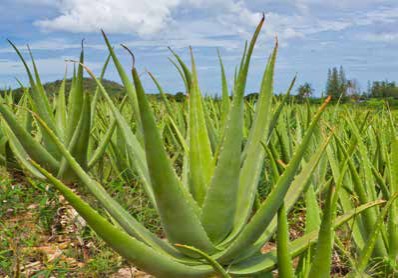
Aloe Vera and the Cosmeceuticals
Aloe Vera is packed with vitamins, minerals, polysaccharides, phytosterols, antioxidants, and amino acids, this one plant is as effective for internal concerns as external ones, as relevant to the athlete as to the aging adult, and as popular for looking better as for feeling better.
Aloe Vera is extremely nutritious and safe to eat and eventually consumption as a beverage or juice or externally in hair or body.

Aloe Vera Nutraceuticals for Pets
Aloe Vera is an excellent natural option for this pet market, containing stabilized gel from the inner part of the Aloe leaf. It contains over 75 known active compounds in natural balance which helps maintain good health in animals as well as in people. Aloe has the effect of tonic; they support the immune system, healthy appetite, vitality, and energy in active animals, lessening their sensitivity to external irritants. Aloe Vera is an ideal supplement that maintains pets in top form.