

Acemannan as adjuvant vaccine for animal immune system
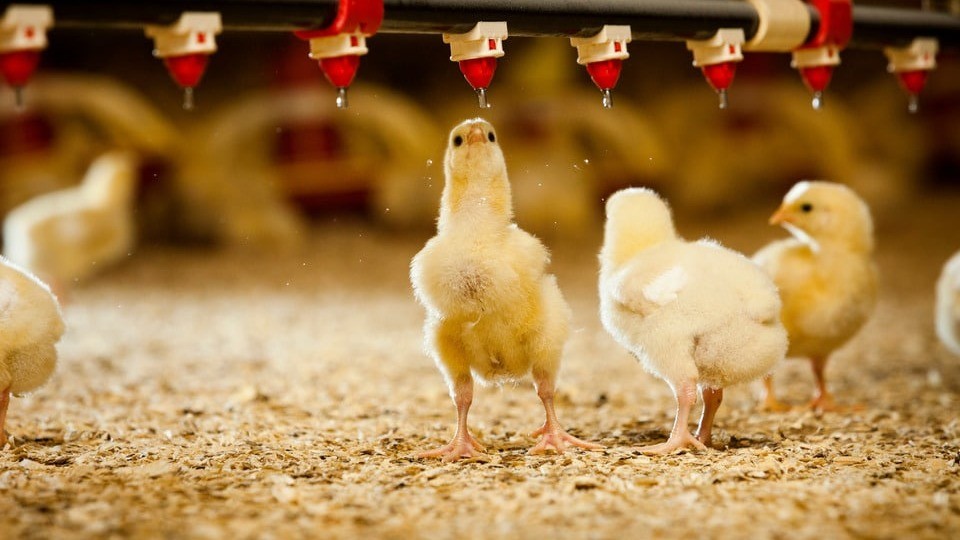
Benefits of Aloe Polysaccharides in Animal Nutrition: Growth Performance, Gut Health, Immunity and Antioxidant Support
Aloe polysaccharides, particularly acemannan, have been shown to improve growth performance, feed efficiency, gut health, immune competence, and antioxidant status in several livestock and aquaculture species, supporting their use as natural alternatives or adjuncts to in-feed antibiotics.
Aloe polysaccharides, including acemannan, enhance animal nutrition by improving growth performance and feed efficiency in weaned piglets and poultry through better weight gain, feed conversion, and carcass traits (Qiao et al., 2013; Amber et al., 2021; Quaye et al., 2023). These polysaccharides support gut health by modulating intestinal microflora, increasing villus height and microvilli density, and improving nutrient absorption in broilers and other monogastric species (Darabighane and Zarei, 2014; El-Kholy et al., 2022). Acemannan-rich Aloe preparations act as immunomodulators, enhancing macrophage activity, vaccine responsiveness, and humoral and cellular immune parameters in poultry, pigs, and fish, thereby reducing reliance on antibiotics as immune stimulants (Zhang and Tizard, 1996; Djeraba and Quéré, 2000; Karaca et al., 1995; Qiao et al., 2013; Miah et al., 2024; Mesbah et al., 2016). In aquaculture, Aloe vera extracts improve growth performance, hematological indices, and disease resistance against bacterial pathogens such as Streptococcus species and Streptococcus iniae, contributing to lower mortality and better health status (Gabriel et al., 2015; Tafi et al., 2020). Across poultry, pigs, ruminants, and aquatic species, Aloe polysaccharides also enhance systemic antioxidant defenses, as reflected by improved blood biochemical and oxidative stress markers, positioning them as a sustainable natural alternative or adjunct to in-feed antibiotics in modern animal production (Amber et al., 2021; Khan et al., 2022; Cortez-Mago et al., 2025).
Source of validity: Scientific
Keywords: Acetypol, Acemannan, feed, immune system,drinking water, growth rate, antioxidative response, broilers, blood health
Benefits of Aloe Polysaccharides in Animal Nutrition
Aloe polysaccharides, particularly acemannan-rich Aloe vera gel, have been shown to improve growth performance, gut health, and overall resilience in food-producing animals when included in feed or drinking water at low, practical inclusion levels (typically around 0.05–1.5% depending on species and dosage form).
In broiler chickens, adding Aloe vera gel at 1–1.5% to the drinking water consistently increases final body weight, daily weight gain, and feed efficiency, while maintaining normal liver and kidney biochemical indices, indicating good systemic tolerance (Amber et al., 2021). In weaned piglets, dietary inclusion of crude Aloe vera polysaccharide at 0.05–0.2% improves average daily gain and feed conversion, reduces diarrhea incidence and weaning-related stress, and enhances vaccine antibody blocking rates, reflecting better nutrient utilization and immune function (Qiao et al., 2013). Across poultry and livestock, reviews and applied field reports on Aloe vera as a phytogenic feed additive indicate that Aloe polysaccharides support higher feed intake and palatability, improved growth rate and feed utilization, healthier gut and immune status, and performance outcomes comparable to or better than conventional antibiotic growth promoters when used in properly standardized preparations (Amber et al., 2021; Khan et al., 2022; Mali, 2017).
Growth Performance, Feed Efficiency and Gut Health Improvements with Aloe Polysaccharides
Aloe polysaccharides have been shown in animal models to act as prebiotic modulators of gut microbiota, selectively suppressing pathogenic bacteria such as Escherichia coli while promoting beneficial genera, including Lactobacillus and Bifidobacterium, which supports more efficient nutrient utilization and reduced enteric disturbances. In livestock applications, these gut and immune effects have been linked to improved average daily gain, better feed conversion, and lower incidence of gastrointestinal irritation and diarrhea when Aloe preparations are incorporated into feed or drinking water.
In broilers, inclusion of Aloe (gel or liquid extract) in the diet or drinking water has been associated with increased body weight gain, improved feed intake and feed conversion ratio, enhanced vaccine antibody titers, and reduced gastrointestinal irritation and coccidial oocyst shedding, effects that are consistent with a more balanced intestinal microflora and healthier mucosal barrier function. These responses suggest that Aloe-derived polysaccharides may help shift the microbial ecosystem toward beneficial taxa while lowering pathogen burden, thereby supporting growth performance under commercial conditions.
In ruminants, Aloe supplementation has been reported to stimulate rumen microbial activity and increase volatile fatty acid (VFA) production, which can improve energy supply for the animal and is mechanistically aligned with observations that Aloe polysaccharides enhance microbial fermentation and short-chain fatty acid production in the gut. This improved fermentative profile may translate into better milk yield or milk component quality when Aloe is used as a feed flavoring or functional additive in dairy diets, although more controlled trials are needed to quantify effects on production traits and to define optimal dose–response relationships.
Aloe polysaccharides in livestock and aquaculture can be described as natural immunomodulators and antioxidant supports with antibiotic-sparing potential, with in vivo data in poultry and weaned piglets providing the clearest examples.
Aloe vera polysaccharides, particularly acemannan-rich fractions from the inner gel, act as biological response modifiers in livestock by stimulating both humoral and cellular immunity, improving antioxidant defense, and partially substituting for in-feed antibiotics in intensive systems. In poultry, oral Aloe polysaccharides increase lymphocyte proliferation, phagocytic activity, and total as well as isotype-specific antibody titers, thereby enhancing leukocyte-mediated clearance and resistance to common respiratory and enteric infections in vaccinated birds (Kashfa Khaliq et al., 2016; Sun et al., 2011; Miah et al., 2024). Broiler chickens receiving Aloe gel in drinking water at 1–1.5% show improved immune responsiveness alongside higher total antioxidative capacity and glutathione peroxidase activity, with concomitant reductions in malondialdehyde, indicating protection of immune and epithelial tissues from oxidative and inflammatory stress and performance benefits comparable to or exceeding antibiotic growth promoters (Amber et al., 2021). In weaned piglets, dietary supplementation with crude Aloe vera polysaccharides improves average daily gain and feed efficiency while elevating serum immunoglobulin levels and reducing weaning-associated diarrhea, supporting their use as antibiotic-sparing immunonutrients that stabilize gut function and immune competence during early-life stress (Qiao et al., 2013). Collectively, these findings position Aloe polysaccharides as promising adjuncts or partial alternatives to antibiotics in livestock and, by extension, aquaculture, where similar immunostimulatory and antioxidant mechanisms are sought to enhance vaccine responses, disease resilience, and growth under high-density production conditions.

Aloe-derived polysaccharides have been studied as functional components of gels, extracts, and powders for multiple livestock species, including poultry, pigs, fish, and ruminants
Antioxidant, antimicrobial and gut-protective actions aloe polysaccharides
Aloe vera gel polysaccharides demonstrate antioxidant, antimicrobial, antiviral, antifungal, and gut-protective effects that can support intestinal integrity and help reduce the burden of subclinical infections in poultry, thereby contributing to improved health and performance. By modulating gut microbiota, reinforcing mucosal barrier function, and providing bioactive compounds with broad antimicrobial activity, Aloe preparations can act as natural alternatives or adjuncts to conventional in-feed antimicrobials in broiler production systems.
In broilers, Aloe vera supplementation has been reported to lower oxidative stress markers and enhance key antioxidant defenses, including activities of enzymes such as superoxide dismutase, glutathione peroxidase, and catalase, which are central to maintaining cellular redox balance under production stress. This antioxidative protection supports tissue integrity and resilience during challenges such as rapid growth, high stocking density, or enteric infections, ultimately favoring better growth performance and health outcomes in commercial flocks (Lin and Yuan-Zhang, 2005).
Evidence from controlled trials further indicates that Aloe vera gel or extract in drinking water or feed can enhance broiler growth rate, improve feed efficiency, and beneficially modulate hematological and immune parameters, consistent with a combined antimicrobial, antioxidant, and gut-supportive mode of action (Quaye et al., 2023; Amber et al., 2021).
Practical Roles in Animal Nutrition of Aloe Polysaccharides
As a phytogenic feed additive, Aloe polysaccharides can:
Enhance feeding intake and palatability. Improve growth and feed efficiency in poultry, pigs, fish, and cattle. Reduce diarrhea and weaning stress, especially in piglets and young animals.
Serve as a partial or full alternative to antibiotic growth promoters, aligning with regulatory moves away from routine antibiotic inclusion in feed (Amber et al., 2021).
As a phytogenic feed additive, Aloe-derived polysaccharides have been studied as functional components of gels, extracts, and powders for multiple livestock species, including poultry, pigs, fish, and ruminants. In poultry, supplementation with Aloe vera gel, powder, or polysaccharide-rich preparations can increase voluntary feed intake, improve body weight gain, and enhance feed conversion efficiency, with several studies showing performance that is comparable or superior to conventional antibiotic growth promoters in broilers. For example, Amber et al. (2021) reported that inclusion of Aloe vera gel in broilers’ drinking water improved growth rate and production indices, supporting its use as a natural growth-promoting strategy (Amber et al., 2021). In weaned piglets, dietary Aloe polysaccharides at low inclusion levels have been associated with increased average daily gain and a reduced incidence of diarrhea and weaning stress, indicating beneficial effects on gut health and post-weaning adaptation. Similar growth-promoting and health-supporting effects have been documented in aquatic species, where Aloe vera supplementation improved growth performance, hematological parameters, and disease resistance against bacterial challenge, suggesting immunomodulatory and antimicrobial actions of the polysaccharide fraction. Collectively, these findings indicate that Aloe polysaccharides can reduce reliance on in-feed antibiotic growth promoters by supporting growth, gut integrity, and disease resilience, aligning with regulatory and consumer-driven moves to phase down routine antibiotic use in animal production systems (Amber et al., 2021; Khan et al., 2022; Shokri et al., 2017).

AMB WELLNESS has developed a proprietary with a unique process isolating Acemannan from Aloe Vera Inner Gel with a high content of Acemannan ranging from 10% up to 25% measured by Nuclear Magnetic Resonance (NMR). Designed for high-end cosmetics, healthcare, and nutraceutical applications, Acetypol™ redefines efficacy, supporting skin hydration, barrier function, immune modulation, and gut health,positioning AMB WELLNESS at the forefront of innovation where scientific precision, purity, and performance meet unmatched effectiveness.Acetypol™ offers a more reliable and scientifically controlled alternative to conventional Aloe products, enabling formulators to achieve reproducible results by treating acetylation, purity, and molecular weight as key quality parameters rather than variable outcomes of processing.Acetypol™ offers a more reliable and scientifically controlled alternative to conventional Aloe products, enabling formulators to achieve reproducible results by treating acetylation, purity, and molecular weight as key quality parameters rather than variable outcomes of processing.Acetypol™ is a highly standardized Aloe vera–derived ingredient enriched to 15–20% acemannan with a high degree of acetylation (DA), controlled molecular weight, and high purity.
Share it on:
Latest News
Acemannan and Aloe Vera: The Science Behind the Next Evolution in Functional Wellness
[lwp_divi_breadcrumbs font_icon="9||divi||400" link_color="#000000" separator_color="#91BC3F" current_text_color="#91BC3F"...

From Aloe to Immunity: Acemannan as a Game-Changing Supplement Ingredient
[lwp_divi_breadcrumbs font_icon="9||divi||400" link_color="#000000" separator_color="#91BC3F" current_text_color="#91BC3F"...

Next-Gen Brain Health Starts Here: Acemannan and the New Era of Neuroprotection
[lwp_divi_breadcrumbs font_icon="9||divi||400" link_color="#000000" separator_color="#91BC3F" current_text_color="#91BC3F"...