

Acemannan and Aloe Vera: The Science Behind the Next Evolution in Functional Wellness
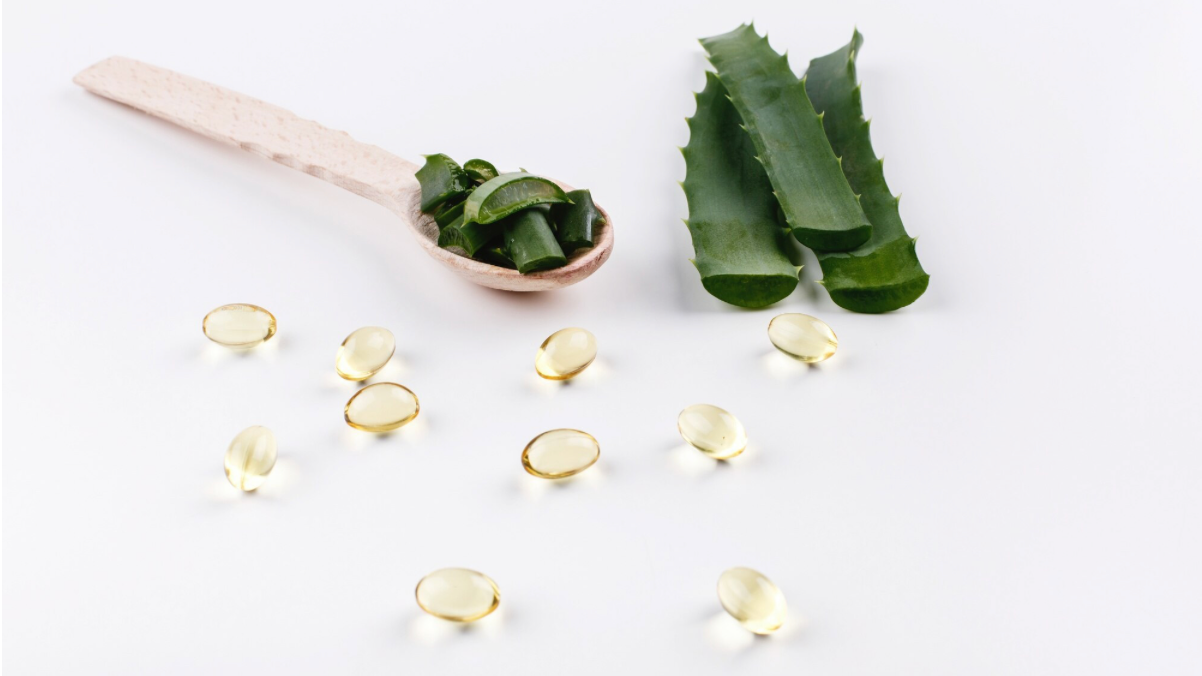
What are the differences in benefits between traditional aloe vera and Acemannan ?
Synopsis Acemannan is the primary acetylated β(1→4) polymannose in Aloe vera inner gel and is widely recognized as the main driver of its immunoregulatory, antioxidant, antiviral, and wound-healing activities (Liu, 2019). In vitro and in vivo studies show that Acemannan activates macrophages and modulates cytokine profiles, supporting balanced immune responses rather than blunt stimulation (Liu, 2019). It also promotes fibroblast proliferation, collagen synthesis, and epithelial repair, translating into faster healing in skin and oral wounds and into enhanced bone and periodontal regeneration when used as a biomaterial scaffold (Chantarawaratit, 2014; Mehrabani, 2024; Liu, 2019).
By contrast, traditional Aloe vera products—especially mass-market juices and flavored beverages—contain complex mixtures of polysaccharides, small molecules, and processing-related degradation products, in which Acemannan is often present at low levels and is partially or fully deacetylated, greatly reducing its specific bioactivity (Polanco-Lugo, 2016; Evaluation of Acemannan in Different Commercial Beverages, 2025). Analytical surveys of commercial aloe drinks have found <30 mg Acemannan/100 g in many products, frequently with high deacetylation and even evidence of enzymatic or bacterial breakdown, indicating that “traditional aloe” on the label does not guarantee a functionally intact Acemannan fraction (Evaluation of Acemannan in Different Commercial Beverages, 2025).
Standardized Acemannan ingredients, by contrast, are purified or enriched from inner gel and characterized for molecular-weight distribution and degree of O-acetylation—parameters that strongly influence immunomodulatory and regenerative potency (Liu, 2019). In periodontal and craniofacial applications, Acemannan sponges or hydrogels significantly accelerate alveolar bone, cementum, and periodontal ligament formation, outperforming simple aloe gel or inert carriers as bioactive scaffolds (Chantarawaratit, 2014; Mehrabani, 2024). Review work in dental and orthopedic fields now positions Acemannan as a promising biological agent for guided bone regeneration strategies, where its anti-inflammatory and osteogenic effects add value beyond what conventional Aloe vera extracts provide (Mehrabani, 2024).
At the systemic level, Acemannan-rich preparations contribute to gut and metabolic health by acting as a fermentable, soluble polysaccharide that modulates microbiota, supports barrier integrity, and favorably influences glucose and lipid handling—functions linked to its preserved acetylated structure and not reliably reproduced by low-Acemannan, highly processed aloe drinks (Liu, 2019; Evaluation of Acemannan in Different Commercial Beverages, 2025).
Taken together, these data support a clear distinction: traditional Aloe vera products offer a broad but compositionally variable phytochemical matrix with uncertain and often diminished Acemannan content, whereas Acemannan-standardized ingredients provide a structure-defined polysaccharide “engine” with more robust, reproducible evidence for immune support, wound and tissue repair, bone and periodontal regeneration, and gut-metabolic benefits (Liu, 2019; Chantarawaratit, 2014; Mehrabani, 2024; Evaluation of Acemannan in Different Commercial Beverages, 2025).
Source of validity: Scientific
Acemannan versus Aloe vera.
Conventional Aloe Vera Barbadensis Miller
Conventional Aloe vera gel is the inner leaf parenchyma or products directly derived from it, characterized by a highly dilute matrix (≈99% water) containing a heterogeneous mixture of vitamins, minerals, enzymes, polysaccharides, phenolic compounds, organic acids, lipids, amino acids, and other small molecules (Hamman, 2008; Surjushe et al., 2008; Abid et al., 2025). The solid fraction (≈0.5–1%) includes water- and fat-soluble vitamins (A, B-complex, C, E), essential and non-essential amino acids, multiple inorganic ions, and a spectrum of carbohydrates dominated by mannose-rich polysaccharides such as acemannan, together with pectic and other cell-wall polysaccharides (Hamman, 2008; Abid et al., 2025). Aloe vera gel also contains diverse enzymes (for example, alkaline phosphatase, amylase, carboxypeptidase, catalase, superoxide dismutase), phenolic and anthraquinone derivatives, phytosterols, and other secondary metabolites that contribute to its local and systemic bioactivity (Hamman, 2008; Surjushe et al., 2008; Puia et al., 2021).
The functional effects of conventional Aloe vera preparations are generally attributed to the combined and context-dependent actions of these constituents rather than a single isolated molecule, with polysaccharides, phenolics, and associated micronutrients acting together to modulate antioxidant defenses, inflammation, wound healing, and nutrient bioavailability (Hamman, 2008; Babu et al., 2020; Iosageanu et al., 2024). For example, mannose-rich polysaccharides, phenolic components, and other co-occurring gel fractions have been shown to exert complementary effects on keratinocyte proliferation, angiogenesis, and inflammatory mediators in in vitro and in vivo wound-healing models, supporting a mechanistic basis for synergistic interactions within the whole gel matrix (Razia et al., 2022; Iosageanu et al., 2024).
Acemannan
Acemannan is the predominant high-molecular-weight Aloe vera gel polysaccharide and is widely regarded as the key functional bioactive in the inner leaf gel (Liu et al., 2019; Quezada et al., 2017; Bai et al., 2023). Aloe vera gel solids (about 0.8–1.5% of the fresh gel) are composed of more than 60% polysaccharides, with acemannan representing the major glucomannan fraction within this pool (McAnalley, 1996; Quezada et al., 2017). At the molecular level, acemannan is a well-characterized O-acetylated β(1→4)-linked polymannose (glucomannan) whose backbone is enriched in mannose (≈85–90 mol%) with minor glucose and trace neutral sugars, and, in typical Aloe inner-gel preparations, it can account for the majority of the soluble, high-molecular-weight polysaccharides (Quezada et al., 2017; Liu et al., 2019).
The degree of O-acetylation is now recognized as a critical structural determinant of acemannan’s physicochemical and biological properties, influencing solubility, viscosity, scaffold architecture, and receptor interactions (Bai et al., 2023). Experimental work shows that progressive deacetylation leads to denser, less porous matrices and a loss of hydrophilicity, antibacterial, and anti-biofilm properties, whereas higher degrees of acetylation enhance thermal stability, antioxidant capacity, and immunostimulatory effects, including Toll-like receptor-mediated macrophage activation (Bai et al., 2023). In acemannan-standardized materials, acetyl contents around or above 500 mg/g (DA ≈1.2–1.8 per sugar residue) are typical of bioactive Aloe species and correlate with stronger antioxidant and immune-regulatory activity, while more heavily deacetylated acemannan, as found in many processed beverages, shows markedly reduced biological potency (Comas-Serra et al., 2023; Bai et al., 2023). Consequently, both acemannan content (as a percentage of total Aloe polysaccharides) and its degree of acetylation are directly linked to the functional efficacy of Aloe vera preparations, and higher, well-preserved acetylation is generally associated with greater biological activity in vitro, in vivo, and in emerging clinical applications (Liu et al., 2019; Bai et al., 2023).
Products that emphasize a high concentration of Acemannan leverage the specific, potent properties of this polysaccharide, often as a standardized extract, which can lead to more pronounced results in certain applications.
In essence, while all Aloe vera provides benefits, a product with a guaranteed high concentration of quality Acemannan offers a more targeted and potent approach to addressing specific health concerns, particularly those related to immune function and tissue repair.
Conventional Aloe vera offers broad benefits (hydration, anti-inflammatory, healing) from its complex mix of compounds, while Acemannan, its key polysaccharide, is the specific powerhouse behind many of these effects—particularly potent immunomodulation (boosting immune cells), superior wound healing (stimulating collagen/fibroblasts), antiviral action, and enhanced antioxidant activity—acting as a more focused, potent ingredient for regenerative medicine and immune support. Think of Aloe as the whole fruit smoothie and Acemannan as the concentrated, beneficial extract.

While conventional Aloe vera inner gel delivers a complex, mildly bioactive matrix of polysaccharides, phenolics, and micronutrients for general wellness, acemannan is the purified, O-acetylated β(1→4) mannan fraction that accounts for many of Aloe’s most potent immunomodulatory, wound-healing, and bone-regenerative effects (Liu et al., 2019; Bai et al., 2023). Its defined acetylated polymannose backbone interacts with macrophages and stromal cells to trigger cytokine release (for example, TNF, IL-1, and IL-6), angiogenesis, collagen production, and osteogenic differentiation, giving it a drug-like, dose-responsive pharmacodynamic profile distinct from crude gel (Sierra-García et al., 2014; Sadgrove et al., 2021). In practice, traditional Aloe vera gel is best viewed as a gentle, multi-component topical or oral remedy that soothes and hydrates tissues, whereas acemannan—standardized for molecular weight and degree of acetylation—behaves more like a targeted biopolymer active for immune modulation, chronic and surgical wound care, guided bone regeneration, and adjunctive support in metabolic and inflammatory conditions (Boonyagul et al., 2014; Liu et al., 2019; Bai et al., 2023).
Traditional Aloe vera gel: broad-spectrum but variable
Traditional inner-leaf Aloe vera gel is a heterogeneous, mildly bioactive matrix, whereas acemannan-standardized ingredients isolate the key polysaccharide fraction that can be dosed and characterized with much greater precision (Foster et al., 2011).
Composition and variability
Fresh inner-leaf gel is ≈99% water, and the remaining solids are dominated by glucomannan-type polysaccharides (acemannan), together with other mixed polysaccharides (pectins, hemicelluloses, fructans), small phenolics, plant sterols, lipids, amino acids, vitamins, and endogenous enzymes (Surjushe et al., 2008; Foster et al., 2011).
In commercial juices and gels, the acemannan content and degree of acetylation vary widely: flavored beverages typically contain fully or largely deacetylated polysaccharide with <30 mg acemannan/100 g fresh product, while some unflavored “high-Aloe” beverages reach ≈160–260 mg/100 g, but others still remain below 35 mg/100 g (Comas-Serra et al., 2023; Estrada-González, 2019).
Processing steps such as charcoal decolorization, heat treatment, and prolonged storage can further degrade and deacetylate acemannan, so many ready-to-drink Aloe products deliver a low, qualitatively weakened polysaccharide fraction compared with freshly extracted inner gel (Comas-Serra et al., 2023; Foster et al., 2011).

Documented topical and mucosal benefits
Topically, Aloe vera gel formulations reduce inflammation, pain, and erythema and support re-epithelialization and collagen deposition in burns, surgical wounds, and skin irritations—effects linked to acemannan-rich polysaccharides acting together with phenolics, sterols, and antioxidant micronutrients (Surjushe et al., 2008; Foster et al., 2011).
In the oral cavity, Aloe-based gels and mouthrinses promote healing of aphthous ulcers and post-surgical mucosal lesions and help reduce plaque and gingival inflammation, again reflecting barrier-supportive, anti-inflammatory, and immunomodulatory actions of the polysaccharide–micronutrient complex (Surjushe et al., 2008; Foster et al., 2011).
Oral metabolic and gut effects
Oral Aloe gel capsules have improved fasting glucose, HbA1c, total cholesterol, and LDL-cholesterol in hyperlipidemic type 2 diabetic patients when added to standard therapy, although triglycerides and some lipoprotein fractions show less consistent change (Huseini et al., 2012).
Meta-analytic data in prediabetes and type 2 diabetes suggest modest but significant improvements in fasting plasma glucose and, in some trials, HbA1c with Aloe preparations; however, results are heterogeneous and strongly influenced by product type, dose, and duration (Suksomboon et al., 2016).
Beyond glycemia and lipids, Aloe gel has shown benefits for mild-to-moderate ulcerative colitis and irritable bowel syndrome in small randomized trials, likely through combined effects on mucosal repair, inflammatory signaling, and gut microbiota rather than a single laxative action (Foster et al., 2011; multiple RCTs summarized in Foster et al., 2011).
Implications versus acemannan‑standardized ingredients
Taken together, traditional Aloe vera gel offers broad-spectrum but batch- and process-dependent activity, whereas purified or standardized acemannan preparations provide a more defined polysaccharide dose and acetylation profile, which is preferable when seeking reproducible immune, metabolic, or biomaterial outcomes in advanced supplement and medical-device applications (Foster et al., 2011; Comas-Serra et al., 2023).
Purified Acemannan: focused, structure-driven bioactivity
Purified Acemannan can be described as a structurally defined, macrophage-active Aloe polysaccharide with documented effects on wound and bone healing, clearly distinct from crude Aloe vera gel as a heterogeneous mixture with variable and often low Acemannan content (typically <10% of dry solids) and inconsistent bioactivity.
Structural identity and standardization
Purified Acemannan is an O-acetylated β-(1→4) glucomannan composed predominantly of D-mannose, with minor glucose and galactose, forming a linear β-(1→4) mannan backbone with occasional β-(1→4) glucose insertions and α-(1→6) galactose branches.
Detailed structural work shows acetyl groups mainly at O-2, O-3, and O-6 of mannopyranosyl residues, often averaging close to two acetyl groups per sugar, and this degree of acetylation is a major determinant of solubility and biological activity in related mannans.
Comprehensive characterization by NMR, chromatographic SEC/HPSEC‑MALS, and Monosaccharide/sugar-linkage profiling allows production of a reproducible Acemannan ingredient with defined molecular weight (commonly in the 1,000–1,600 kDa range) and mannose content around 80–85% in well-purified preparations.
Comparative polysaccharide studies in other acetylated glucomannans support that higher degrees of acetylation correlate with enhanced immunomodulatory and other bioactivities, providing a rationale for targeting and maintaining O-acetylation during processing (Berglund et al., 2020; Guo et al., 2022).
Immunological and antiviral/antitumor activity
Acemannan from Aloe vera has been characterized as an immunostimulatory polysaccharide that activates innate immune cells, particularly macrophages and dendritic cells, leading to increased production of mediators such as IL-1, IL-6, TNF-α, and nitric oxide in various in vitro and in vivo systems (Liu et al., 2019; Simões et al., 2012).
These cytokine and NO responses underpin reported antiviral and antitumor effects of Acemannan-rich Aloe fractions in animal models, where enhanced macrophage function and antigen presentation contribute to improved clearance of infected or malignant cells (Liu et al., 2019).
Mass spectrometry and structure–activity analyses indicate that Aloe acemannan samples with relatively higher acetylation and lower branching show stronger immunostimulatory profiles than more deacetylated or structurally degraded mannans, emphasizing the importance of preserving native structure during extraction (Simões et al., 2012).

Regenerative, periodontal, and socket‑healing effects
Clinically, Acemannan hydrogel has been used as a socket dressing (SaliCept patch) after tooth extraction, where a large randomized trial in mandibular third molars showed a marked reduction in alveolar osteitis incidence (about 1.1% with Acemannan vs 7.6–8.0% with clindamycin-soaked Gelfoam) (Poor et al., 2002).
More recent work using Acemannan sponges in extraction sockets reported accelerated bone healing over 3, 6, and 12 months, with significantly greater reductions in socket volume versus controls and no cases of alveolar osteitis, supporting a true osteoinductive and osteoconductive role (Vu et al., 2021).
Experimental and clinical data together suggest that Acemannan acts as a biodegradable scaffold and hydrophilic sponge that supports fibroblast proliferation, collagen deposition, and upregulation of growth factors such as VEGF and BMP-2, thereby enhancing bone and periodontal regeneration while reducing postoperative complications (Liu et al., 2019; Poor et al., 2002; Vu et al., 2021).
Purified Acemannan is a structurally defined O-acetylated β-(1→4) glucomannan from Aloe vera, composed mainly of mannose with minor glucose and galactose, forming a linear β-(1→4) mannan backbone with occasional glucose insertions and α-(1→6) galactose branches (Liu, 2019; Simões, 2012). Its acetyl groups are predominantly located at O-2, O-3, and O-6 of the mannose residues, and preparations with higher degrees of acetylation show superior solubility and stronger biological activity in mannans and related acetyl-glucomannans (Simões, 2012; Berglund, 2020; Guo, 2022).
When isolated and standardized using NMR, SEC/HPSEC-MALS, and detailed sugar-linkage analysis, Acemannan can be produced as a reproducible high-molecular-weight ingredient (approximately 1,000–1,600 kDa) with mannose content around 80–85%, enabling consistent structure-driven bioactivity (Liu, 2019). Functionally, this purified Acemannan directly activates macrophages and dendritic cells and induces phenotypic maturation, leading to increased production of IL-1, IL-6, TNF-α, and NO, which in turn supports antiviral and antitumor responses in animal models (Liu, 2019; Simões, 2012).
In the context of oral and periodontal surgery, Acemannan hydrogel and sponges act as a biodegradable scaffold and hydrophilic sponge that accelerates bone and socket healing, enhances fibroblast proliferation and collagen synthesis, and upregulates osteogenic and angiogenic factors such as VEGF and BMP-2, while significantly reducing the incidence of alveolar osteitis in mandibular third-molar surgery (Poor, 2002; Vu, 2021; Liu, 2019).

Practical interpretation
In native Aloe vera gel, polysaccharides make up most of the dry solids, but acemannan is only a minor fraction of that total polysaccharide pool, typically on the order of a few percent of the gel’s dry weight and a variable share of the total polysaccharides. Because both total polysaccharides and acemannan fluctuate with cultivar, age, and processing, scientific papers usually report ranges rather than a single fixed percentage.
How much of Aloe’s polysaccharides are acemannan?
Fresh Aloe vera gel is about 98–98.5% water, with total solids around 1.5–2% by weight. Of those solids, more than 60% are polysaccharides (mainly glucomannans and related β-polysaccharides). A frequently cited technical estimate is that native acemannan accounts for roughly 5% of the dry weight of Aloe gel.
If polysaccharides represent >60% of the dry matter and acemannan ~5% of the same dry matter, acemannan would be on the order of ~8% of the total polysaccharide mass under those specific conditions (5 ÷ 60 ≈ 0.08), recognizing this is an approximate, model-based calculation rather than a universal constant.
Several compositional and process-focused studies reinforce that acemannan is a prominent but not exclusive glucomannan within the global polysaccharide fraction and that its relative abundance can shift markedly. For example, growth-period and season studies show that acemannan concentration increases with plant age and higher light intensity, and that high-molecular-weight fractions (>100–200 kDa) tend to be enriched in acemannan compared with low-molecular-weight polysaccharides.
Why is there no single fixed percentage vs total pollysacharides
Authors emphasize that “acemannan is one of the main bioactive polysaccharides of Aloe vera” rather than specifying a fixed percentage of the total polysaccharides, precisely because it varies with:
Species and cultivar (A. vera barbadensis Miller vs. A. arborescens, etc.).
Plant age and agronomic conditions (light intensity, water availability, season).
Post-harvest handling, decolorization, pasteurization, and drying (freeze-drying vs. spray drying vs. refractance window drying), which can deacetylate or depolymerize acemannan and shift its measurable content within the total polysaccharide fraction.
Polysaccharides constitute the majority of Aloe vera gel dry solids, and acemannan represents only a minor but functionally important fraction of those polysaccharides (on the order of a few percent of the gel’s dry weight, corresponding to roughly 5–10% of the total polysaccharide mass in some native gels), with substantial variation across cultivars, growth conditions, and processing methods (McAnalley, 1993; Im et al., 2005; Liu et al., 2019; Bai et al., 2023).
Acemannan vs. Aloe vera gel: practical interpretation
For everyday use, traditional Aloe vera inner-leaf gels and juices are preferable when the goal is broad, gentle support rather than tightly defined mechanistic effects. For cosmetic moisturization, mild topical soothing, basic gut comfort, and entry-level metabolic support, whole-gel preparations provide a multi-component matrix of polysaccharides, organic acids, phytosterols, amino acids, vitamins, and minerals, where precise acemannan titration is less critical (Foster, 2011; Zagórska-Dziok, 2017; Bai, 2023). Clinical and cosmetic studies show that such Aloe gels can improve skin hydration and texture, support oral and gastrointestinal comfort, and modestly influence glycemia and lipid profiles, albeit with heterogeneous formulations and variable acemannan content (Blitz, 1963; Ulbricht, 2008; Comas-Serra, 2023).
By contrast, purified acemannan is preferable when the application requires a defined, reproducible polysaccharide signal or a space-maintaining biomaterial scaffold. In immune-focused dietary supplements, acemannan standardized for content and degree of acetylation provides a clearer link to innate and adaptive immune modulation than generic Aloe gel, engaging macrophages, dendritic cells, and lymphocytes via well-characterized signaling pathways (McAnalley, 1993; Bai, 2023; Mehrabani, 2024). In dental, bone, and wound applications, acemannan sponges and hydrogels function as biocompatible, resorbable scaffolds that stabilize clots, promote osteogenesis and angiogenesis, and accelerate defect closure, with human data in extraction sockets, sinus lift, and oral soft-tissue healing (Trinh, 2020; Mehrabani, 2024; Bai, 2023). For research-grade work, medical devices, and premium immune or regenerative formulations, this standardized acemannan—rather than undefined Aloe gel—offers a more precise and potent tool, with structure–activity relationships (molecular weight, acetylation) that can be measured, controlled, and regulatory-documented (McAnalley, 1993; Bai, 2023).

AMB WELLNESS has developed a proprietary with a unique process isolating Acemannan from Aloe Vera Inner Gel with a high content of Acemannan ranging from 10% up to 25% measured by Nuclear Magnetic Resonance (NMR). Designed for high-end cosmetics, healthcare, and nutraceutical applications, Acetypol™ redefines efficacy, supporting skin hydration, barrier function, immune modulation, and gut health,positioning AMB WELLNESS at the forefront of innovation where scientific precision, purity, and performance meet unmatched effectiveness.Acetypol™ offers a more reliable and scientifically controlled alternative to conventional Aloe products, enabling formulators to achieve reproducible results by treating acetylation, purity, and molecular weight as key quality parameters rather than variable outcomes of processing.Acetypol™ offers a more reliable and scientifically controlled alternative to conventional Aloe products, enabling formulators to achieve reproducible results by treating acetylation, purity, and molecular weight as key quality parameters rather than variable outcomes of processing.Acetypol™ is a highly standardized Aloe vera–derived ingredient enriched to 15–20% acemannan with a high degree of acetylation (DA), controlled molecular weight, and high purity.
Share it on:
Latest News

Beautiful hands with Aloe Vera
When the weather turns cold, the air dries out, and the body cannot hold onto to moisture. The lack of moisture in the air causes dry skin especially on hands. With this pandemic we are now, that we need to wash ourhands a lot or use hand sanitizer multiple times a day, it is more likely than ever to have dry hands.

Boost your sales with Aloe vera polysaccharides on the immunomodulatory system products
‘Bioavailability enhancers’ when in combination with another components, potentialize the interaction, acting as receptors and make target cells more receptive. They enhance bioavailability and bioefficacy of a particular ingredient and improve the absorption.

How to deal shaving irritation with Aloe Vera?
Men’s grooming and skincare products have improved tremendously over time.
AMB Wellness takes a close look at how men’s skincare and grooming trends have changed over the years and how Aloe Vera has become an essential ingredient on the male skincare formulas to help them look good and feel great.