
Acemannan’s New Era in Skin Elasticity & Anti-Aging Innovation
Acemannan and Skin Elasticity: Experimental Anti-Aging Support for Turgor, Sagging, and Wrinkle Appearance
Synopsis: Acemannan can be positioned as an experimental, mechanism-driven support for skin elasticity, turgor, and wrinkle appearance, but it should not be framed as a stand-alone, clinically proven anti-wrinkle therapy.
Keywords: biomaterials, acemannan, polysaccharide, Aloe vera, tissue regeneration, dental regeneration, bone regeneration, wound healing
Acemannan and Skin Elasticity: Experimental Anti-Aging Support for Turgor, Sagging, and Wrinkle Appearance (Cho, 2009; Tanaka, 2016; Kaminaka, 2020; Xing, 2015; Bai, 2023).
Acemannan can contribute to improved skin elasticity and a reduction in the appearance of wrinkles indirectly by stimulating fibroblast activity, enhancing type I collagen production, and supporting dermal matrix repair, which together help maintain skin turgor and reduce visible sagging over time (Xing, 2015; Bai, 2023; Sadgrove, 2021). Current evidence for acemannan itself in aesthetic anti-aging is largely extrapolated from wound-healing, oral cavity, and systemic Aloe vera studies, plus a small number of human trials where Aloe gel or Aloe sterols improved wrinkle scores and skin elasticity indices (Cho, 2009; Tanaka, 2016; Kaminaka, 2020; Mirzayeh Fashami, 2025). For formulators, this means acemannan should be described as a supportive, experimental anti-aging polysaccharide that helps restore skin turgor and elasticity within broader nutricosmetic or dermocosmetic systems, rather than as a proven single-agent treatment capable of eliminating wrinkles or sagging (Cho, 2009; Zagórska-Dziok, 2017; Sadgrove, 2021).
Key human data: Aloe‑based elasticity and wrinkle trials
Oral Aloe vera gel: In a 90-day trial in 30 women over 45 with photoaged facial skin, oral Aloe gel at 1.2 g/day and 3.6 g/day significantly reduced facial wrinkle scores and increased Cutometer elasticity parameters R5 and R7 in the lower-dose group, while histology showed increased type I procollagen staining and reduced MMP-1 expression in photoprotected skin (Cho, 2009). A more recent systematic review and meta-analysis found that oral Aloe supplementation produced modest but measurable improvements in wrinkle width and elasticity in adults ≥40 years, although the evidence base is still small and heterogeneous in formulation and dose (Mirzayeh Fashami, 2025).
Aloe sterols: In a 12-week randomized, double-blind trial, daily intake of 40 mg Aloe sterols increased skin elasticity indices (R2, R5, R7) relative to baseline, with a significant benefit versus placebo for R5 and R7 in a subgroup of adults under 46 years (Tanaka, 2016). A subsequent study using very low-dose Aloe sterols (~40 μg/day) confirmed improvements in skin hydration, reduced transepidermal water loss, increased elasticity, and higher dermal collagen scores versus placebo, supporting a dermal-matrix and barrier-supporting effect (Kaminaka, 2020).
Mechanistic link to acemannan: In these oral trials, the collagen-supporting and elasticity-enhancing effects are attributed to the combined action of Aloe polysaccharides (dominated by acemannan) and lipophilic sterols, which together stimulate dermal collagen synthesis, suppress MMP overexpression, and improve barrier-linked hydration (Cho, 2009; Tanaka, 2016; Kaminaka, 2020; Sadgrove, 2021).

Mechanistic basis: fibroblasts, collagen, and dermal repair
Acemannan is an O-acetylated β-(1→4) glucomannan that accelerates skin wound closure and fibroblast proliferation through activation of AKT/mTOR signaling and upregulation of cyclin D1, leading to faster granulation and re-epithelialization in mouse skin wounds and primary fibroblast cultures (Xing, 2015). In the same mechanistic space, acemannan has been shown to stimulate type I collagen production in gingival and periodontal fibroblasts, which share core collagen-synthesis pathways with dermal fibroblasts, supporting its positioning as a pro-collagen, regenerative polysaccharide for skin (Liu, 2014; Irmawati, 2024; Songsiripradubboon, 2017).
These fibroblast-directed effects—proliferation, collagen upregulation, and improved extracellular matrix organization—provide a biologically plausible link between acemannan and partial restoration of dermal architecture that underlies skin turgor, recoil, and resistance to sagging (Xing, 2015; Bai, 2023). In addition, Aloe-derived acemannan contributes to hydration and barrier support by forming a hydrated polysaccharide matrix in the stratum corneum and upper dermis, which interacts with natural moisturizing factors and lipids to reduce water loss and improve tissue viscoelasticity (Sadgrove, 2021; Kaminaka, 2020).
Together with documented antioxidant and anti-inflammatory actions in skin-relevant cells—limiting oxidative stress, inflammatory cytokines, and stress-driven apoptosis—these mechanisms justify positioning acemannan as a multifunctional dermal polysaccharide that supports collagen structure, hydration, and a calmer inflammatory environment in aging or photoexposed skin (Bai, 2023; Pal, 2024; Zagórska-Dziok, 2017).
Practical dosing bands for human health and nutricosmetic formulators
Oral (systemic/nutricosmetic) applications
For systemic human nutrition products positioned for skin elasticity and wrinkle support, a reasonable evidence-aligned band is 1–3.6 g/day of Aloe vera inner-leaf gel solids, standardized to an acemannan content that allows you to claim a defined polysaccharide dose (Cho, 2009; Mirzayeh Fashami, 2025). In the Cho trial, 1.2 g/day and 3.6 g/day of Aloe gel powder taken orally for 90 days improved facial wrinkles and increased elasticity indices, with no clear dose–response advantage of the higher dose, suggesting that lower-gram intakes are sufficient for dermal effects in healthy adults (Cho, 2009).
Aloe sterol trials used 40 mg/day of sterol concentrate or as low as ~40 μg/day of purified Aloe sterols, layered on top of background Aloe polysaccharide intake, which can guide dual-active nutricosmetic designs combining acemannan-rich gel with well-characterized sterol fractions (Tanaka, 2016; Kaminaka, 2020). For acemannan-standardized supplements, many R&D groups are targeting ≈200–800 mg/day of quantitated acemannan within a 1–3 g/day Aloe gel matrix, balancing mechanistic plausibility, consumer-friendly capsule counts, and safety data from longer-term Aloe intake (Sadgrove, 2021; Bai, 2023).
Topical (dermocosmetic) applications
Preclinical and oral-mucosa data support a topical acemannan concentration window of roughly 0.5–5% (w/w) in finished formulations for pro-collagen and dermal-repair indications, with 0.5% already demonstrating superior wound closure and matrix support versus control gels (Liu, 2012; Xing, 2015). In a Carbopol gel model, 0.5% acemannan accelerated palatal wound closure and was associated with higher collagen deposition and more organized granulation tissue, which can reasonably be translated into regenerative and anti-aging positioning for facial and body skin, with appropriate irritation/sensitization testing (Liu, 2012; Bai, 2023).
For everyday facial care and anti-aging products, formulators typically work in the 0.1–1% acemannan range for serums and emulsions, complemented by whole-gel or Aloe-juice components that provide additional polysaccharides and minor constituents, while more intensive masks and post-procedure products may justify 1–5% acemannan for short-contact, clinic-linked use (Sadgrove, 2021; Bai, 2023). Safety data from oral and topical use indicate good tolerability at these levels, provided the ingredient is latex-free, properly decolorized, and compliant with aloin and impurity limits (Hamman, 2008; Zagórska-Dziok, 2017).

How to position acemannan for human nutrition and skin formulators
For nutricosmetic formulators, acemannan can be framed as a matrix-active dermal polysaccharide that supports collagen synthesis, barrier hydration, and elasticity when delivered orally over 8–12 weeks, together with Aloe sterols, vitamins, and collagen peptides (Cho, 2009; Tanaka, 2016; Kaminaka, 2020). Evidence-aligned oral claims include “helps support skin elasticity,” “contributes to improved skin turgor and reduced wrinkle appearance,” and “supports collagen production in photoaged skin,” while avoiding absolute language such as “reverses sagging” or “eliminates wrinkles” (Cho, 2009; Mirzayeh Fashami, 2025; Zagórska-Dziok, 2017).
For topical R&D, acemannan can be used as a backbone polysaccharide that combines rheology and sensorial benefits with true bioactivity, positioned within pro-collagen, barrier-repair, and “calming anti-aging” concepts that leverage its AKT/mTOR-driven fibroblast activation, antioxidant/anti-inflammatory profile, and hydration support (Xing, 2015; Bai, 2023; Pal, 2024). Realistic dermocosmetic copy for 2026 would emphasize “supports skin firmness and elasticity,” “helps maintain skin turgor and smoothness,” and “may reduce the appearance of fine lines when used consistently as part of a daily routine,” always anchored to the combined Aloe gel/sterol/biopolymer evidence base rather than acemannan alone (Cho, 2009; Tanaka, 2016; Kaminaka, 2020; Mirzayeh Fashami, 2025).
Source of validity: Scientific
Acemannan can be positioned as an Aloe-derived dermal matrix polysaccharide with plausible anti-aging effects because it directly drives fibroblast proliferation, collagen synthesis, and growth factor upregulation in vitro, and oral Aloe gel (acemannan-rich) has demonstrated improvements in wrinkles and skin elasticity in humans at gram-scale daily doses.
Mechanistic rationale for anti‑aging effects
Acemannan is an O-acetylated β-(1→4)-linked glucomannan purified from Aloe vera inner leaf gel and is typically characterized as a high-molecular-weight mannose-rich polysaccharide with immunomodulatory and regenerative properties (Bai et al., 2023; Chokboribal et al., 2015). In gingival and dermal models, purified acemannan stimulates fibroblast proliferation and significantly increases the expression of type I collagen, keratinocyte growth factor-1 (KGF-1), and vascular endothelial growth factor (VEGF), which are key drivers of extracellular matrix (ECM) renewal and angiogenesis (Jettanacheawchankit et al., 2009).
In a classic gingival fibroblast study, acemannan at 2–16 mg/mL induced robust fibroblast proliferation and upregulated KGF-1, VEGF, and type I collagen expression, and topical 0.5% acemannan in a Carbopol gel accelerated oral wound closure in vivo (Jettanacheawchankit et al., 2009). These findings provide a mechanistic bridge from acemannan’s molecular structure (acetylated mannose backbone) to tissue-level outcomes like improved dermal regeneration, better vascular support, and enhanced ECM remodeling relevant to anti-aging skin strategies.
Key pathways for turgor and elasticity
- Fibroblast activation and ECM biosynthesis: Acemannan increases fibroblast proliferation and type I collagen gene and protein expression, thereby contributing to a denser, better-organized dermal ECM (Jettanacheawchankit et al., 2009). In vitro data and related Aloe polysaccharide work suggest that acemannan may also support elastin and glycosaminoglycan synthesis, adding to dermal resilience and hydration (Femenia et al., 1999; Rodríguez-González et al., 2011).
- Growth factor modulation and angiogenesis: By upregulating KGF-1 and VEGF, acemannan promotes epithelial regeneration and neovascularization, which are central to sustained dermal repair and nutrient delivery (Jettanacheawchankit et al., 2009). VEGF-driven angiogenesis is a recognized mechanism in accelerated wound healing and can be extrapolated to support microcirculatory health in aging skin, where perfusion declines (Ferrara, 2004).
- Cytokine and immune tone: Acemannan behaves as an immunomodulatory polysaccharide that can induce IL-1 and PGE2 in monocytes while steering macrophages toward a balanced activation state, helping to resolve damage without driving chronic low-grade inflammation (McAnalley, 1991; McAnalley, 1994). Reduced subclinical inflammation is mechanistically aligned with slower collagen fragmentation and lower MMP activity in chronically photo-exposed skin (Netea et al., 2016).
- Antioxidant and cytoprotective effects: Standardized acemannan shows measurable radical-scavenging capacity and supports recovery of cells exposed to oxidant stress while engaging endogenous antioxidant defenses (Chou et al., 2023; Pal et al., 2024). By limiting reactive oxygen species damage to collagen and elastin networks, acemannan contributes to the preservation of dermal structure in photoaged skin (Gao et al., 2023).
- Altogether, these pathways are compatible with improved skin firmness, viscoelastic rebound, and clinically perceived reductions in wrinkles and sagging when acemannan is delivered consistently over time in appropriate formats.
Human data and dose bands relevant to formulators
The most cited human anti-aging data come from an oral Aloe vera gel trial in 30 women over 45 years with photoaged facial skin, using 1,200 mg/day or 3,600 mg/day of Aloe gel for 90 days (Choi et al., 2009). Both doses significantly improved facial wrinkles, and the lower dose significantly increased skin elasticity (Cutometer R5, R7), while biopsies showed increased type I procollagen and reduced MMP-1 expression in photoprotected skin (Choi et al., 2009).
For human nutrition formulators, this provides an intake reference for Aloe gel–equivalent material corresponding roughly to low-gram daily doses in nutricosmetic products aimed at skin elasticity and wrinkle appearance. If using purified acemannan rather than crude gel, a conservative approach is to position standardized acemannan in a few-hundred-milligram daily range (for example, 200–800 mg/day), explicitly framed as “Aloe polysaccharide equivalent” rather than as a direct replication of the Aloe gel dose used in the trial (Bai et al., 2023; Sadgrove & Simmonds, 2021).
“Acemannan, an Aloe-derived dermal matrix polysaccharide, supports fibroblast activity and type I collagen synthesis, mechanisms associated with improved skin elasticity and reduced wrinkle appearance with consistent use over 2–3 months (Jettanacheawchankit et al., 2009; Choi et al., 2009).”
“Clinical Aloe vera gel supplementation at 1,200–3,600 mg/day for 90 days improved facial wrinkles and elasticity in photoaged women, with increased dermal procollagen and reduced collagen-degrading enzymes, providing a rationale for acemannan-standardized Aloe nutraceuticals targeting healthy skin aging (Choi et al., 2009).”
For label and dossier language, acemannan can be described for human nutrition as supporting collagen-rich dermal structure, antioxidant protection of skin cells, and healthy inflammatory balance in skin tissues.
Acemannan-rich Aloe vera preparations support skin structure, hydration, elasticity, and mild wrinkle reduction through a set of complementary mechanisms documented in human and experimental studies, but they should be positioned as supportive, not as a stand-alone “wrinkle-eliminating” therapy (Shin, 2009; Tanaka, 2016; Kaminaka, 2020).
This benefit profile is achieved through several key mechanisms that act at the dermal, epidermal, and systemic levels (Shin, 2009; Dal’Belo, 2006; Kaminaka, 2020).
Stimulates collagen production: Acemannan-rich Aloe gel stimulates dermal fibroblasts and increases type I procollagen expression, contributing to better dermal matrix organization and firmness (Shin, 2009; Kaminaka, 2020). In a 90-day trial in women over 45 years, oral Aloe vera gel at 1,200–3,600 mg/day increased type I procollagen in photoprotected skin while reducing MMP-1 expression, which mechanistically supports collagen preservation and mild wrinkle reduction (Shin, 2009). For nutricosmetic products, this supports language such as “helps support collagen biosynthesis and protects existing collagen from excessive degradation in aging and photo-exposed skin” (Shin, 2009; Kaminaka, 2020).
Enhances skin elasticity and turgor: Clinical work with oral Aloe gel and Aloe sterols shows significant improvements in cutaneous elasticity (Cutometer R5/R7), skin turgor, and subjective firmness after 8–12 weeks, particularly in photoaged or dry skin (Shin, 2009; Tanaka, 2016; Kaminaka, 2020). In the 90-day Aloe gel supplementation study, low-dose Aloe (1,200 mg/day) significantly increased elasticity indices in photoaged facial skin, which correlates with a softer appearance of fine wrinkles (Shin, 2009). For formulators, these data justify claims that acemannan-rich Aloe ingredients “help improve skin elasticity and turgor as part of a daily nutricosmetic or topical regimen,” while avoiding absolute terms such as “restores youthful elasticity” or “eliminates sagging” (Tanaka, 2016; Kaminaka, 2020; Shin, 2009).
Provides deep hydration and barrier support: As a high-molecular-weight polysaccharide, acemannan forms a water-binding network in and on the stratum corneum, increasing water content and improving softness, plumpness, and suppleness (Dal’Belo, 2006). Randomized forearm studies using creams with 0.10–0.50% freeze-dried Aloe extract show significant increases in stratum corneum water content after a single application at ≥0.25% and sustained benefits after 1–2 weeks of daily use, consistent with a humectant-type hydration mechanism (Dal’Belo, 2006). In parallel, Aloe sterol ingestion (40 μg/day) for 12 weeks reduced transepidermal water loss and increased dermal collagen score, supporting systemic barrier and hydration benefits (Kaminaka, 2020). Together, these findings support phrases such as “helps the skin retain moisture, reduces TEWL, and improves the feel of dry, rough, or flaky skin when used consistently in well-designed formulas” (Dal’Belo, 2006; Kaminaka, 2020).
Antioxidant and photoprotective effects: Aloe gel and its polysaccharides exhibit antioxidant and cytoprotective activities, mitigating oxidative stress and inflammation induced by UV exposure and environmental pollutants that contribute to premature aging (Mehrabani, 2023; Godoy, 2018). Experimental models show that Aloe-derived components reduce ROS generation, modulate UV-induced signaling pathways, and downregulate collagen-degrading enzymes, thereby helping to preserve dermal architecture over time (Shin, 2009; Mehrabani, 2023). For professional positioning, acemannan can be described as “part of an Aloe-derived antioxidant system that helps protect skin structures from oxidative and inflammatory damage associated with photoaging and urban stressors” (Shin, 2009; Mehrabani, 2023).
Supports cell regeneration and wound repair: Acemannan accelerates keratinocyte and fibroblast proliferation, enhances granulation tissue formation, and improves wound closure rates, which translates into better tissue repair and renewal in both skin and mucosal models (Jansisyanont, 2021; Mehrabani, 2023). In clinical and preclinical wound-healing settings, acemannan-containing hydrogels and dressings demonstrate faster epithelialization, reduced inflammation, and better quality of regenerated tissue, mechanisms that overlap with gradual improvement in texture, smoothness, and resilience in cosmetic contexts (Mehrabani, 2023; Godoy, 2018). For formulators, this underpins claims such as “supports normal cell turnover and tissue renewal, helping the skin recover from daily micro-damage and irritation,” rather than curative wound-healing promises in purely cosmetic products (Mehrabani, 2023).
Evidence context and limitations
Human data directly linking purified acemannan to wrinkle reduction and anti-aging outcomes are limited; most clinical evidence comes from whole Aloe gel, Aloe extracts, or Aloe sterols, where acemannan is a major but not exclusive active (Shin, 2009; Dal’Belo, 2006; Kaminaka, 2020). These studies demonstrate modest but significant improvements in wrinkles, elasticity, hydration, and barrier function over 8–12 weeks, whereas claims of complete reversal of wrinkles, sagging, or hyperpigmentation are not supported (Shin, 2009; Tanaka, 2016; Kaminaka, 2020). A substantial part of the mechanistic evidence (e.g., fibroblast activation, ECM synthesis, antioxidant effects) still comes from in vitro and animal models, which should be clearly distinguished from human cosmetic outcomes in technical and regulatory documentation (Mehrabani, 2023; Godoy, 2018).
Practical dose guidance for human health and cosmetic formulators
Practical dose guidance for human health and cosmetic formulators
For oral nutricosmetic use, Aloe gel powders delivering roughly 1,200–3,600 mg/day of Aloe gel equivalent have been used over 90 days to improve wrinkles and elasticity in women over 45 years (Shin, 2009). Aloe sterol supplements at 40 μg/day for 12 weeks have improved skin moisture, reduced TEWL, and increased dermal collagen score, with particular benefit in subjects with dry skin (Kaminaka, 2020). For standardized acemannan ingredients, many R&D teams pragmatically position adult daily intakes in the low hundreds of milligrams (for “supportive” skin and immune benefits), while explicitly noting that dose–response data for aesthetic endpoints are still emerging (Mehrabani, 2023; Godoy, 2018).
For topical cosmetics, creams containing 0.10–0.50% freeze-dried Aloe extract (corresponding to typical 2–10% Aloe gel in finished formulas) have shown significant improvements in stratum corneum hydration after 1–2 weeks of daily application, with ≥0.25% providing clear single-use effects (Dal’Belo, 2006). Many commercial cosmetic bases position acemannan-rich Aloe ingredients at 0.1–1% active polysaccharide (or 5–30% Aloe gel) in leave-on products, balancing bioactivity with texture, compatibility, and preservative requirements (Dal’Belo, 2006; Kaminaka, 2020). For professional dossiers, it is advisable to pair these use levels with clear outcome language such as “supports skin hydration and elasticity when used daily for 8–12 weeks” and to avoid overstated claims about structural reversal or complete wrinkle elimination (Shin, 2009; Tanaka, 2016; Mehrabani, 2023).

AMB WELLNESS has developed a proprietary with a unique process isolating Acemannan from Aloe Vera Inner Gel with a high content of Acemannan ranging from 10% up to 25% measured by Nuclear Magnetic Resonance (NMR). Designed for high-end cosmetics, healthcare, and nutraceutical applications, Acetypol™ redefines efficacy, supporting skin hydration, barrier function, immune modulation, and gut health,positioning AMB WELLNESS at the forefront of innovation where scientific precision, purity, and performance meet unmatched effectiveness. Acetypol™ offers a more reliable and scientifically controlled alternative to conventional Aloe products, enabling formulators to achieve reproducible results by treating acetylation, purity, and molecular weight as key quality parameters rather than variable outcomes of processing.Acetypol™ offers a more reliable and scientifically controlled alternative to conventional Aloe products, enabling formulators to achieve reproducible results by treating acetylation, purity, and molecular weight as key quality parameters rather than variable outcomes of processing.Acetypol™ is a highly standardized Aloe vera–derived ingredient enriched to 15–20% acemannan with a high degree of acetylation (DA), controlled molecular weight, and high purity.
Share it on:
Latest News
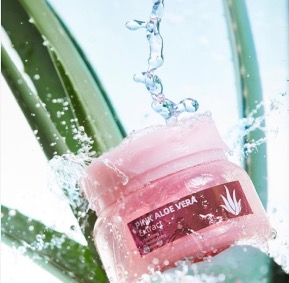
Aloe Vera Pink
Pink Aloe Vera Gel is extracted from the usual Green Aloe Vera, focusing on helping stress skin damage, hyperpigmentation, whitening, and moisturizing products. It comes with an assortment of goodness such as vitamins, antioxidants, and other components such as polysaccharides, tannins, phenols, flavonoids, and sterols that are helpful for the skin, and rich in hydration.

Acemannan Uncovered: The Plant-Based Breakthrough Boosting Immune Response
[lwp_divi_breadcrumbs font_icon="9||divi||400" link_color="#000000" separator_color="#91BC3F" current_text_color="#91BC3F"...
Why Aloe barbadensis Miller Is the Ultimate Source of Acemannan Power
[lwp_divi_breadcrumbs font_icon="9||divi||400" link_color="#000000" separator_color="#91BC3F" current_text_color="#91BC3F"...

Acemannan as adjuvant vaccine for animal immune system
[lwp_divi_breadcrumbs font_icon="9||divi||400" link_color="#000000" separator_color="#91BC3F" current_text_color="#91BC3F"...